Polio - Past, Present and Post Polio Syndrome

 Apple Podcasts
 Spotify
 Polio, the condition that spurned innovations from Physiotherapy, vaccines, Intensive Care Units and Rehabilitation Medicine is one of those diseases we’re taught as “solved”, yet the people who survived Australia’s epidemics are walking into clinics right now with new weakness, pain, fatigue and loss of function. That gap between what we remember and what patients live with is where this conversation sits, starting with iron lungs and ending with the very practical question: how do we recognise post-polio syndrome and the late effects of polio before we dismiss them as ageing?
Join host Dr Gavin Nimon ( Orthopaedic Surgeon) who interviews three guests who each bring a different lens. Associate Professor Anupam Datta Gupta (Rehabilitation Medicine) breaks down how poliovirus moves from a gut infection to selective damage of anterior horn cells, and why the long compensation phase can collapse decades later. Michael Jackson (Polio Australia) shares what people affected by polio report about stigma, separation, and the day-to-day realities of pacing, equipment, and living with a progressive condition. Associate Professor Bruce Thorley (Doherty Institute, WHO Polio Reference Lab) explains where global eradication stands, why vaccination coverage still matters, and how Australia uses acute flaccid paralysis surveillance, laboratory testing and wastewater surveillance to stay polio-free.
We also trace polio’s outsized impact on modern healthcare: the shift from negative pressure ventilation to the birth of ICU, the evolution of orthotics and rehabilitation, and the role of Sister Elizabeth Kenny in reshaping physiotherapy. If you’re a GP, allied health clinician, or student, you’ll come away with red flags to ask about, the logic of diagnosis by exclusion, and management principles that prioritise function, safety, and quality of life.
If this helped, subscribe, share it with a colleague, and leave a review so more clinicians find it. What’s one sign of post-polio syndrome you’ll start asking about this week?
This is approved for 1.5 hour RACGP CPD - accredited activity
to complete - click on registration link after listening
remember to provide RACGP member number and email
registration link
🎙️ Proudly Supported By Our Sponsors
Aussie Med Ed is independent and free — made possible by these amazing Australian organisations.
- Heidi Health — AI medical scribe built for Australian clinicians. Finish clinic on time and keep your focus on your patients. Visit Heidi Health
- HealthShare — Australia's health information and referral platform, connecting GPs, specialists and patients. Visit HealthShare
- Avant Medical Defence Organisation — Protecting over 80,000 Australian healthcare professionals. Visit Avant
- eMedici -an Australian-made medical education platform for med students, junior doctors, and IMGs. Visit eMedici.com/MEDED
- Better Medical- GP clinics across QLD, SA, VIC and TAS – offering you the freedom to practise your way, backed by a strong support network. Visit BetterMedical
Thanking the organisations that make Aussie Med Ed possible. Visit our full Sponsors page
00:00 - Iron Lung And Polio’s Return
02:06 - Why Polio Still Matters Clinically
05:44 - From Gut Infection To Paralysis
08:47 - Who Gets Polio And Why
11:24 - Fear Stigma And Family Separation
17:04 - Inside The Iron Lung Era
21:22 - Polio And The Birth Of ICU
23:53 - Sister Kenny And Modern Physio
32:01 - Salk Sabin And Vaccine Safety
43:46 - Post-Polio Syndrome Recognition And Diagnosis
52:30 - Why New Weakness Appears Decades Later
58:53 - Tests Anaesthesia Risks And Exclusions
01:03:35 - Pacing Equipment Exercise And Support
01:10:18 - Global Polio Surveillance And Wastewater
01:17:18 - Final Advice For GPs And Students
Dr Gavin Nimon:
It's 1953 in an Australian hospital. A child lies in a long metal cylinder, sealed from the neck down and only their head visible, breathing because a machine is breathing for them, the iron lung. A contraption the size of a small car hissing and clicking through every night. Their parents pressing their faces to a small porthole just to say good night. That disease was polio, and at its peak, it paralysed or killed hundreds of thousands of people every year. Today, most Australian clinicians have never seen a case. The vaccines worked. The epidemic is history. But here's what most doctors don't know. Polio didn't finish with the last epidemic. Tens of thousands of Australians who survived polio decades ago are now experiencing new paralysis, new weakness, and profound fatigue. A condition called post-polio syndrome, or more broadly, the late effects of polio, arriving suddenly 30, 40, sometimes 50 years after the original illness, and they're being told far too often that it's just aging. Today on Aussie Med Ed, we're covering the whole story, the disease, the iron lungs, the invention of the ICU, an extraordinary Australian nurse who laid the foundations of modern physiotherapy, and the post-polio crisis that's happening right now in our clinics, largely unseen. I'm Gavin Nimon, and welcome to Aussie Med Ed. Good day and welcome to Aussie Med Ed. The Aussie style Medical podcast a pragmatic and relaxed medical podcast designed for medical students and general practitioners where we explore relevant and practical medical topics with expert specialists. Hosted by myself, Gavin Nimon, an orthopaedic surgeon, this podcast provides insightful discussions to enhance your clinical knowledge without unnecessary jargon. I'd like to start the podcast by acknowledging the Kaurna people as the traditional custodians of the land on which this podcast is produced. I'd like to pay my respects to the elders, both past, present, and emerging, and recognizing their ongoing connection to land, waters, and culture. I'd like to remind you that all the information presented today is just one opinion, and there are numerous ways of treating all medical conditions. It's just general advice and may vary depending upon the region in which you're practicing or being treated. The information may not be appropriate for your situation or health condition. And you should always seek the advice from your health professionals in the area in which you live. welcome to Aussie Med Ed. Today's episode sits at a fascinating intersection of medical history and a very present clinical challenge. We're talking about polio, not just what it was, but what it's still doing to people today and what that means for you in practice. I have three extraordinary guests with me today, and before I bring them on, I wanted to properly introduce each of them. My first guest is Associate Professor Anupam Datta-Gupta, a fellow of the Australasian Faculty of Rehabilitation Medicine. He's head of the General Rehabilitation Unit at the Central Adelaide Local Healthcare Network here in South Australia, and He holds a PhD from the Austin Research Institute and is an International Society of Physical and Rehabilitation Medicine scholarship recipient, and Anupam is our clinical anchor today. He'll help us understand what polio does to the body and what the late effects look like from the rehab medicine perspective. My second guest is Michael Jackson, a public health engagement facilitator at Polio Australia, where since 2019, he has led national professional education on the late effects of polio and post-polio syndrome. Michael has delivered over 165 post-polio workshops across the country. He's developed clinical manuals, hospital resource kits, and educational video series, and has presented at international and national conferences, consulted with government at every level, co-led research on post-polio population And contributed to peer-reviewed publications. With a background in education and physiotherapy, Michael brings us the patient and community perspective and a depth of knowledge about what living with these conditions actually looks like day to day. And my third guest is Associate Professor Bruce Thorley, head of the National Enterovirus Reference Laboratory and the World Health Organization Polio Regional Reference Laboratory at the Doherty Institute in Melbourne. He's chief investigator for the Australian National Polio Surveillance Program, part of the World Health Organization's Global Polio Eradication Initiative, and has been leading this work since 2001. Bruce is our public health lens today, helping us to understand where poliovirus stands globally and how Australia's surveillance systems work to help keep us protected. Anupam, Michael, and Bruce, welcome, and thank you very much for giving up your time today. Look, I knew polio virus had been an important disease throughout the 20th century, affecting a significant proportion of the population in one way or another. But until I researched this topic for today's podcast, I just didn't realize how much. So from the development of vaccines to the influence of modern physiotherapy, the development of negative pressure ventilation partly developed in Adelaide itself to modern ICUs and positive pressure ventilation. This has affected nearly all aspects of what makes up my medical career. So it's great to have you all on board and we're talking about this really important topic polio disease and how it did influence us but also what the post polio syndrome or late effects of polio affecting many of the patients we will see today. Perhaps we'll start off with Anupam. Perhaps, for our listeners who have never seen a case what is is poliovirus and how does it cause disease, can you walk us through the journey from ingestion to paralysis and explain why it targets motor neurones specifically?
A/Prof Anupam Datta Gupta:
So Poliovirus is an enterovirus. It is a essentially gut infection, a small RNA virus that spreads via the faecal-oral route and it, replicates in the gut and regional lymph node. Now in vast majority, in 90% cases, the infection is entirely asymptomatic. Up to 10% can get a flu-like symptoms, and less than 1% of the people infected can get the effects of polio. What we are going to talk about, because in those patients, these viruses reach the spinal cord via the bloodstream through the neural pathway, and they have this predilection for the anterior horn cells of the spinal cord, and they destruct those anterior horn cells. And anterior horn cells are very important neural pathway known as lower motor neurone. So when we get a lower motor neurone lesion, lower motor neurone starts from the anterior horn cell, then the. roots, then the nerve, and then go to the muscle. So anything from anterior horn cell downward is lower motor neurone lesion. And when the lower motor neurone is affected, like in diabetes and other things, we get a, what we call flaccid paralysis, where muscles tend to become weak, flaccid less tone. And we cannot elicit the reflexes. And interestingly, this virus has the predilection for affecting certain areas of the spinal cord. Like very common is the lumbar region of the spinal cord. That is why they attack the anterior horn cells of the lumbar region. That is why we get the weakness and paralysis of the leg muscles because leg innervation starts from L1 Similarly, they can affect the bulbar muscles when the brain stem motor nuclei and can have a paralysis of diaphragm, respiratory complications, swallowing can get affected, which is a very serious complications. So there are a couple of serotypes, poliovirus one, two, and three. Poliovirus two has been eradicated. Last poliovirus three was detected in 2012, and poliovirus one is the only remaining of the strain. so yes, that it is the virus's natural tendency to attack the nervous system, and that's how we get all the signs and symptoms and paralysis of the legs. we get atrophy, we get shortening and all those deformities, so on and so forth.
Dr Gavin Nimon:
so is there a particular type of person who would get it, is it more common lower economic communities or Bruce, do you have any thoughts on this
A/Prof Bruce Thorley:
So I think that, the important. Point was about having maternal antibodies. And so I think that, that when adults had been exposed, then they'll have antibodies. When the mothers then has the baby in the womb, there are maternal antibodies that are shared with the baby. And when the baby's then born and is exposed to poliovirus, they're already protected by maternal antibodies and then possibly, develop their own antibodies. So if subsequently they're exposed, then they have immunity. And it seems a paradox. But with increasing sanitation, hygiene improvement in, wastewater treatment and availability of fresh freshwater actually led then to people not being exposed to poliovirus to develop their own antibodies is considered. one of the major causes. Certainly I've been in my position in the polio lab for 25 years, and what really struck me is even though we say we are polio free, once I said to people that I work in a polio lab thinking that, people don't know about that. I've then heard about people say, oh, my relative had that, or there's someone that they know. And so it really brought home about how, it's not that long ago. And I think also just about, the fear that was really felt when polio outbreaks occurred, epidemics occurred. when we went through that with the SARS two and the COVID experience, and our lockdowns reminded me of what I'd read about what polio and fears of the epidemics might have been like.
Dr Gavin Nimon:
Perhaps Michael can tell us a little bit about that. his experience, speaking to, what we would probably in the past called survivors, but I think people now prefer to be called a person affected by polio. perhaps you can tell us a little bit about what you've heard and some of the stories you've heard Please, Michael.
Michael Jackson:
Yeah, sure. Gavin? No, it's, I work on the interface of, the population affected by polio, living in Australia, which constitutes, those who had polio in the epidemics in Australia and those who've immigrated to Australia since. and we hear some tremendous, stories and experiences, from that era, for those who could remember it. many of the children who had, polio developed it. Before they were the one, two, or three, the majority were below five or six. so they don't necessarily remember it, but they remember subsequent, epidemic outbreaks. so lay things passed on through the family, and stories. And some of those are certainly familiar to us now because we've lived through a pandemic and we've had lockdowns and we've had instances of, activities being limited. Like in the polio era, you couldn't visit swimming pools. You couldn't, go to the cinema. you were ostracised, your neighbors wouldn't cross on the same side as the street. They'd cross the road to continue down the street. we had people reporting that they weren't allowed to go into grocery stores. The grocer would say, don't enter my store. Put a basket with your list and some money on your, fence post. I'll fill it for you and return it, but don't come into my store. So there were lots of instances where that, that, stigma, had been ostracised by your own community was very difficult to deal with. And so some people developed a kind of a phobia or became taboo to discuss it once the child had recovered. one of the things that we didn't have in the recent pandemic that we did see in the polio pandemics were certain health districts in areas around Australia would paint a yellow cross on the front door of the house of the family that had polio in it, which was a very clear signal to the rest of the community. and so that kind of amplified that fear, that spread as well as the child being, affected in a way that with paralysis, where it would affect their mobility. that stigma was very strong. So individuals from different parts of Australia, have very unique stories. and as a part of working with this population, it's, it's fascinating to look back at a different period of medicine and public health, and understanding virology and, and government and politics and all the things that go into, having a functioning society.
Dr Gavin Nimon:
And what sort of numbers did we get at that time? In the peak of it, it was, I know there's a large number of people may have passed away from loss of, respiratory drive as well. What were the actual Both incidents of infection and also of paralysis and then of death.
Michael Jackson:
So in terms of, contracting polio, about 1%, to half a percent is the figure cited across most, countries, that had the epidemic. That 1% captures those that developed paralysis. but there's about six to 8% who develop the flu, like the viral symptoms, which means that the polio virus got in their system and was active and was spreading and was, moving to areas where it could have done damage. and we are certainly very aware of that in our advocacy work because we encounter, a large number of people who were in the epidemics but weren't necessarily hospitalized. And they weren't, those that developed specific paralysis that persisted, but they developed these late effects. So of those, say it was around about 400,000 people were estimated to have been infected with the poliovirus. What we see now is about that, that 1% plus that 8%, so about 10% of those who of that. 400,000 is actually around about our estimate of those living in Australia now with, post-polio health problems or who are likely to develop those, most in their seventies and beyond, from the Australian epidemics. But we certainly have younger populations, particularly in Victoria. we talked about the stigma, but part of the experience was also that separation for those that were hospitalized. there was, days, weeks, months where they were removed from family. They might have seen them through a small glass window or someone waving from across the courtyard. and so the psychological, effects of that and, the eligibility for a lot of these people who are hospitalized to, qualify for post-traumatic stress disorder is actually considerably high. in terms of those who experienced the paralysis, when they report to us, how it happened, what was going on, those that can actually remember. So let's say those who are five or above, a lot of them report. I woke up or I tried to get up and I collapsed on the floor. And that's a pretty strong sign to parents, who would've known the basics, of what polio presented as. and it, it was devastating for those families at that time, that the child could remember and the child experienced it, and was able to then see everything that cascaded out of that. That sign of paralysis. So we have to understand that the group that we are advocating for across Australia, has extensive history with their condition that they had early in childhood and then this development of this later condition. It's long and complex story.
Dr Gavin Nimon:
patients with bulbar palsy were placed in iron lungs. And this is a particular interest to me'cause my mother actually had polio and tells me about being in an iron lung. perhaps you can describe what it actually was like, the experience, what the machines were. And basically I believe that there was an Adelaide connection to the development of the iron lung as well. Perhaps go into a bit more detail about these machines.
Michael Jackson:
yes, the iron lung, came along as a means to. To help the respiratory failure and distress, for the children. And although it was, very successful at what it did, when you look back, you think, that's overkill. A huge steel, tightly pressured contraption. It was difficult to move around. was a kind of a very intimidating intervention and they were very costly. but those that had the need for that respiratory support, went on to, to recover in that early phase. And gradually most of them, ended up independently breathing again. But some of them did rely on the iron lung, long term. And, there's a few, quite famous people who had lived in the iron lung the majority of their life. And it's important to note that doesn't mean they were in the iron lung a hundred percent of the time. It was the majority of the time, but kids were taught, accessory breathing and gulping breathing so that they could actually be outta the iron lung, and give themself a reprieve of posture and point of view and, and social, benefits of, being face to face, with their peers and family. Yes, indeed. There was a, change in what happened with Iron Lungs, and that was, Edward Both, I believe from South Australia. He developed, two, devices that became used in medicine. One was the plywood lung, which makes a lot more sense when you think about the atmospheric pressure required to also breathing it. It doesn't require a big steel, almost submarine like fortress around you. But, sealed plywood, was enough to let that ventilation pressure change. And, that became very successful in epidemics in Europe. he took the idea overseas. and of course when you think about plywood, much cheaper, easy to access, very light to move around hospitals, and easy to replace. so certainly, a wonderful invention for what ended up being the tail end of the epidemics.'cause not long after they had the invention of, well the vaccines came along, and reduced the number of children needing those. his other invention was a field, ECG, I think. so certainly a talented inventor, and stemming from South Australia.
Dr Gavin Nimon:
I've read somewhere that one person was reliant upon it until the age of 83. is that a story you've heard of Michael, or is that, just folklore.
Michael Jackson:
No, that's true. and, for those, who were in the iron lung, I'm remembering that polio was a motor neurone disease and a bulbar affecting disease that the, their cognition was a hundred percent normal. And, so they, they did some remarkable things, from within that kind of constrained environment. many of them decided, I'm gonna get a degree, I have plenty of opportunity to read. and, so they went ahead and developed these, very productive, cognitive skills that, serve them very well through their life, despite the situation of being, reliant on a iron lung.
Dr Gavin Nimon:
I believe the iron lung was obviously later on replaced by positive pressure, ventilation and it's also helped lead to the development of intensive care units as well. Is that something you've heard about
A/Prof Anupam Datta Gupta:
so it is interesting how one disease gave rise to the development of so many fields, be it modern ICU, my specialty, which is those of you do not know my specialty in Australia called rehabilitation medicine in America, it is called physical medicine and rehabilitation. And, surgical technique, like not joint replacement, but rehabilitative surgery, concepts of tendon transfers and all of those things which are still applied. and last but not the least, is the development of the advanced orthotic care braces concept of, hip, knee, ankle orthosis, different types which we still use in different lower motor neurone paralysis, similar pathology. We don't have polios, but we have other lower motor neurone paralytic conditions. So the development of intensive care unit was a fascinating one because can be traced back to the 1952 Copenhagen polio epidemic. It created an overwhelming demand for respiratory support. That existing technology at that time could not cope with forcing a fundamental shift from the. Negative pressure iron lungs to the active manual positive pressure ventilation. So 1952 outbreak in Copenhagen, 300 patients developed respiratory muscle paralysis while the hospital had only one iron lung Mortality for patients with respiratory failure ranged from 85 to 90%. So then came this brilliant anaesthesiologist Bjørn Ibsen, who challenged the traditional use of the iron lungs, which is negative pressure thing, and suggested a positive pressure ventilation, pushing air directly to the lungs via a tracheostomy. And, then, then it revolutionised the care. And, those days because there were no mechanical ventilator, there were thousand medical and dental students. Where, they were recruited to provide round the care manual ventilation, using rubber bags to push the air into the lungs. And that actually drastically reduced from the National Institute of Health data. The mortality came down from 90% to 20%. So the key contribution of polio was to the development of the modern, ICU, the first ICU developed in the, in Copenhagen Blegdam Hospital in December, 1953 for critically ill patients. And then they then came the concept of multidisciplinary care. And then that led to the rise of anaesthesiology in critical care, because their experts in managing the airways and ventilation. the legacy of those polio era was definitely the rapid spread of ICU across Europe and North America, and early intervention, specialised staff, respiratory support, continued monitoring remain the core of intensive care even today.
Dr Gavin Nimon:
Yeah, it's interesting. not only did it develop an ICU units and rehab medicine and orthotics, but physiotherapy another area has a background along multiple areas, but Sister Elizabeth Kenny, who may have not been a nurse in herself actually, but was called herself a sister and developed the idea of early mobilisation of joints when the rest of the Orthopaedic community, both in Australia and Britain disagreed with this. perhaps you can tell me a bit more about what you know about Sister Elizabeth Kenny.
A/Prof Anupam Datta Gupta:
So she's a fascinating character and born in 1880 in New South Wales. and she used to be known as the Bush nurse. And, she arrived in, she went to, UK and then arrived in, America in 1940. And around that time, the specialty of PMR was developing officially, it was recognised as a specialty in 1947 after the Second World War. So we as rehab physicians owe our debt to Sister Kenny and the second World War for development of this specialty, because war victims, limb loss and the specialty really took off. So she is a very interesting character. she was not a good public speaker, so she, rubbed a lot of people in the wrong way. She was also very tough and sparred with the medical establishment who were in favor of status quo, and most of them were male physicians. So she took up that challenge, went to America, and she got in touch with the dawns of rehab medicine in America because the specialty was developing at that time. She went to Minneapolis Minnesota, where the Mayo Clinic is, in that state, faced couple of epidemics. And then she came in contact with Dr. Frank Krusen, who was one of the pioneers of that field, and he put her into the right directions and then to the. National, foundation of infantile paralysis as they used to call and she helped shape the specialty of physiotherapy and the specialty of physical medicine and rehab. And she, by doing that, she gained tremendous media coverage. She was featured in Reader's Digest, there were TV serials on her. She met, the most, famous polio, patient, Roosevelt, American president because he had polio. If you have seen the movie Pearl Harbor, he got up and said, you can't say you cannot do it. you stood up. So basically what, how she developed the specialties is initially these patients are managed by the Orthopaedic surgeons, and the treatment was putting them in rigid, plaster cast and, and prolonged immobilisation. So she challenged that view. She shifted this idea from immobilisation to movement. And so she challenged the orthodox practice of medicine and she had her own concept. She didn't have much formal scientific background. but she was a very dedicated nurse of in the World War, and she was very passionate about it. And then she established some physical therapy principles, like principles of muscle reeducation. And, she, she, identified the spasm used, physical modalities, like hot packs and all those things. and then, she also. Was instrumental in creating specialised training centres. And then there was symbiotic growth of this, physical medicine and rehab. So another big contribution of her, which we still follow today, is validation of rehab in the acute phase, which is a very important concept, in fact, a revolutionary concept that time. So she did a lot for the specialty for these patients. And it is said, when I was reading a rehab journal that growth of that specialty, like physiotherapy or rehab medicine, would've been slower without the contribution of Sister Kenny. So she was such a character.
Dr Gavin Nimon:
and did you learn about her as well, Michael? Going through physiotherapy training.
Michael Jackson:
Yeah, we didn't, necessarily study her, but, what happened in, in my role here in recent years is that, we came across footage from her time in Minneapolis where she presented. very stiffly as, a desk reading from a script, a message basically about what she was doing, how she was doing it. and then there was, there's a whole heap of footage of her actually implementing these techniques. And hot packs are fairly straightforward, but with something like neuromuscular reeducation, just the tactile elements, the observation of muscle function, watching what she was doing, looking back on my own training, I realized that this is exactly what we were taught. Like we are focused on that, that, not losing capacity in muscles, functioning by immobilising joints for too long, immobilising limbs, and actually tapping into what's there and working with that and trying to get that connection to the brain going. She was certainly, a figure that was driven. I don't think she appreciated the use of splinting. Even though she still used it in her practice, she didn't rely heavily on it because she did understand that when a joint lost its range, the muscle really couldn't work. so her acceptance was more in the United States. She had, more, media coverage there for sure, and better contact with, those in the medical community who were like, look, we need something else. People, in the community were like, is this splinting? Is this the end? Is this what happens? Why don't we have alternative treatments? What other treatments are out there? So a part of her timing and character and personality and drive was that she fell into a very, wide open gap, and really grabbed the bull by the horns and made a tremendous difference, to rehabilitation medicine and to physiotherapy, particularly in neurology.
Dr Gavin Nimon:
Yeah. One of the things I read about for her as well is that she believed that the spasms is associated with the pain. And certainly the older I've got in orthopaedics, I, I realized that's where all the pain does come from is whether it be the back or from acute fractures. It's when the muscle spasm sets in, that's when the pain starts, until that spasm occurs. you don't get as much pain. And that's a lot of the principle you get when you get the massage or whether it be a physio or a chiropractor or the dry needling is what the physios will call a knot or the chiro call being out joint. is that spasm they're experiencing, I expect, is that correct, Michael?
Michael Jackson:
yeah, there's a few things that she had. I, if you look at her writings that, were a bit off kilter from the establishment still in a different direction, but the concept is there. Yeah. If you can get the muscle to settle, if you can stop nerves reacting. and work out what irritants may be at play in the nervous system. Then the presence of spasms decreases, the muscle relaxes. You don't get the cramping, you don't get the shortening, and you certainly don't get the pain. so those, yeah, those are all factors that she was certainly, aware of and attended to in her treatment approaches.
Dr Gavin Nimon:
Excellent. And of course the major a advance came with the development of vaccines, and this is an amazing story hearing about the development of the polio vaccine and the deliberate effort not to patent it. So it'd be available for the masses. Bruce this is your area. Tell us about. The story between the Salk and the Sabin vaccines and how they're developed and what the advantages of either were and how it's influenced us for the future with the COVID vaccines and things.
A/Prof Bruce Thorley:
Thank you, Gavin. Yes. mentioned that President Roosevelt of the US had polio and was a very famous person. But it actually should say, when you look at the history of celebrities that have had polio, there's quite a number of people that just, it gives you an idea again, about how it didn't, discriminate anyone may have, been exposed and at risk. so in the, 20th century with epidemics occurring many places, and then having President Roosevelt with, polio. they then became, a campaign to do something about polio to address it. And I believe in the US it was called the March of Dimes to try and just collect 10 cent pieces or dimes to try and, find, a solution, from that. and I believe there was also a, an institute called the, in Institute for Infantile Paralysis, which was one of the names given for polio at one point. And as a result of that, then there was this, effort to try to produce a vaccine. And then the question was two, what form should the vaccine take? And so one could be where you actually have a killed vaccine or an inactivated vaccine. For a vaccine to be effective, it needs to retain its structure so that our immune system sees it and responds to it to produce antibodies and an immune response that will then neutralise the virus when you're exposed to it again. And so one consideration was, Inactivate kill the virus. It can't grow again, but it would still remain what we call immunogenic. It would produce an immune response. The other view was to have a live vaccine. And so that way it would be to mimic the natural infection that would occur. And for a poliovirus, the transmission route is what we call faecal-oral. So the virus grows in the gut, shed in the faeces for weeks, and then after going to the toilet and maybe, transmission from person to person through handling and not washing hands or possibly contaminating a water source. The virus can be spread from the faeces into another person through the oral route. And so there was then, consideration about how to stop this transmission So the inactivated virus, the person was, Dr Jonas Salk. who was the inventor of what we Salk vaccine. SALK uh, believed that it's better to inactivate the virus, not have it as a live virus. And so he then developed a method to expose the virus to a small amount of, a chemical. But I should go back just a step before that too, because to get to that point, to have enough virus, we also needed to produce, a large stock. And so I should go back into the 1940s. There was actually really important work done by, Weller, Enders and Robbins. There were three American, scientists who were able to culture poliovirus for the first time. And so that's actually to grow it in a laboratory. And this was a significant event because this was actually the start then of what my job now involves with, Virus diagnosis and virus culture for that. And we are still doing virus culture even now for Poliovirus in the WHO eradication program. But those three scientists were able to show that even though poliovirus caused paralysis through growing in the spine, they were able to take other non neural tissue and show that it could be growing in a different cell line, that they would then be able to take some human tissue and be able to grow that in, flasks in the laboratory, in containers. And as a result of that, they could then make a stock of a poliovirus and then you would have, a batch of the same material to be able to work with. So in, when doing our experiments, you don't want variation. You want to try test something that is always going to be the same. So you've got the, one comparison to another from test to test. And so they actually received the Nobel Prize for that work, significant work And then with the Salk vaccine, Jonas Salk working on trying to inactivate Poliovirus now had a stock to be able to use that could grow in the laboratory, expose it to the chemical, and very low amount that would then kill the virus, still allow the virus structure to be intact. So when we use it as a vaccine, a person can develop an immune response, but also that chemical that you use, that you're able to remove it, that is not going to be toxic or, cause any problems for the person receiving the vaccine. And so the Salk, inactivated Polio vaccine and what we now call IPV, was developed in the 1950s and that was introduced into Australia in, 1956. So I think in America in 1955 in Australia, 1956. And that produced a dramatic decrease in the number of polio cases in Australia. When you see the graphs of the numbers, it really dropped off, but there were still some outbreaks in the early 1960s of polio in Australia. And so in the meantime from that, there was also the other view that instead of being an inactivated vaccine, it should be a live vaccine and mimic natural infection. So it should be taken oral and then grow in the gut so that you could develop immunity in your gut. And that was, developed by, Albert Sabin, so the Sabin Polio vaccine. But of course, you can't just give the wild, what we call wild poliovirus because that would be neuro virulent or virulent, and it might actually paralyse people. So he spent many years trying to weaken or attenuate the poliovirus strains. And this was in the early days of the cell culture where he repeatedly grew the virus. In the cultures and the virus starts to adapt to that particular cell that it's being grown in. And at the time, he then was using monkeys. We were accepted for the use to assess whether it was then, still neuro virulent, meaning that it could actually damage the spine and cause paralysis. So every so often he would test some with monkeys that were then sacrificed to determine was this actually going to be of benefit. Ultimately reached a point where Sabin had developed a vaccine for polio and it should say as well, the challenge is that we have three polio viruses we just refer to as types one, two, and three. Each one is immunologically distinct. So that's why we need multiple vaccination to expose our body to the viruses, to have an immune response to each one. And we can't get the immune response to all three at once. So typically, we can't predict which it might occur first could be type two, then it might be type one, then might be type three. So that's why be fully immunised you must have, multiple immunisations. Sabin worked on this to the point where he then found that he had produced, poliovirus for each serotype one, two, and three that was now not causing, any, paralysis in the animal models. And it was then at a point ready to be trialed. And so that was done successfully and that was introduced as oral polio vaccine in 1966 in Australia. And there weren't any more outbreaks after that time.
Dr Gavin Nimon:
obviously having a live vaccine, as a part of the, formal, vaccination process does have its risk. And I believe there's a famous incident which did occur at the start, called the cutter incident, where some of 'em weren't properly in inactivated and led to an outbreak of polio, and that actually has affected how we now treat vaccines. Can you tell me a little bit more about that? The Cutter incident?
A/Prof Bruce Thorley:
Yes. and maybe the irony there that there was actually the cutter incident, which I believe is the name of the laboratory or the vaccine, facility in the US was actually producing the inactivated polio vaccine. But the problem was that they didn't have the right formulation for the chemical treatment to fully inactivate the virus. And it was then given to a number of people. and they then started to realize that there was a problem because they say it's being an inactivate vaccine, it's given as a needle, as an injection. And it tended, the paralysis tended to be on the side of the person's body that they had received the vaccine. And what can happen is, even though we talk about the virus spreading by faecal-oral, and growing in our gut, it was then recognised that you can have what we call retrograde, infection. So with the injection given into the muscle, it can damage some nerves as well as the needle goes in and the virus could actually then move through the nerve to the spinal cord, and then cause the damage that Anupam had, described at the beginning and caused the paralysis. So as a result of that, it was really then an investigation to say, how did this happen? How can we stop it again? and that's why now so much time is taken to develop vaccines. And other medicines because we need to really ensure that it's been fully trialed. So we have clinical trials and we need to make sure that it is appropriately safe. And like even in Australia, that it's not like just because it's used and accepted overseas. We have the Therapeutic Goods Administration or the TGA that will always be investigating any new, medicines or vaccines before it is, released.
Dr Gavin Nimon:
so what you're saying is Australia did go from having an epidemic to be basically polio free over a quite a short period of time. what is the biggest factor in that? Was it the injectable vaccine from Salk, or was it the oral version, or was it the combination of the two that had a huge factor or was a difference in actually patient's attitudes as well?
A/Prof Bruce Thorley:
I my opinion, it would just be the availability of vaccines. so that, certainly looking at the data and number of cases after the introduction of the inactivated, Salk polio vaccine cases dropped dramatically, but as I said, hadn't completely removed. And so whether the oral vaccine was really necessary or whether the numbers of people being vaccinated dropped off and maybe, people didn't perceive it to be quite a risk. certainly you would've still had countries overseas having polio. And it is a disease that can be imported and spread. So it's very important to have high vaccine coverage. And I would say just that the, departments of health or the people involved in establishing, vaccination campaigns and vaccinating everyone, that would've been the key factor.
A/Prof Anupam Datta Gupta:
if I may add, the success of eradication is a fantastic example of private public partnership led by the national governments with five core partners, world Health Organisation, rotary Club, unicef. US Centre for Disease Control and Bill and Melinda Gates Foundation . In Australia. The Rotary Club played a very significant role. And Australia's Sir Clem Renouf president of Rotary International in 1978 and 79 led a very successful program. I think, this public private agencies came together and that, underpins the successful eradication program.
Dr Gavin Nimon:
obviously, despite the, predominant eradication of this disease, it's left its legacy in the form of Late effects of polio. I know it's an umbrella term to really encompass all the aspects of the weakness associated with polio and other conditions that can occur. Perhaps you can tell me, so what are the late effects of polio or post polio syndrome, and what's the criteria for it and diagnosis and what actually do patients complain of?
A/Prof Anupam Datta Gupta:
So we have a relatively large number of polio survivors who are experiencing new symptoms. effects of polio is a very known entity because they have this weakness, atrophy, shortening, a few patients have contractures. So then came the concept of post-polio syndrome. but the late effects of polio could be fatigue, muscle pain, joint pain, muscle weakness, cold intolerance, atrophy. Difficulty in walking, stair climbing, and so on and so forth. This group of patients who develop this condition known as post-polio syndrome, is a, can become a diagnostic quandary because, not many people have seen polios here, and they can be, written off as having weakness or fatigue. But so what we have seen here, they run the risk of getting misdiagnosed in the community because not many physicians have that experience. And these patients with this condition can be underdiagnosed and, so we need to be. Diagnosing them properly, post-polio syndrome is a, basically a diagnosis of exclusion. So there are some criteria. one of the criteria is the prior paralytic polio con confirm by history, physical examination, and typical findings in the electrodiagnostic tests. Then an EMG, can be done and can show the anterior horn cell disease, which can be diagnosed with reduced motor unit potentials and all of that. And then, history of prior neurologic recovery followed by extended period interval of neurologic and functional stability, usually lasting for up to 15 years, and then gradual or abrupt onset of new weakness in the polio affected muscle. This weakness may or may not have been accompanied by the new health problems such as generalized fatigue, muscle atrophy, or any muscle pain. the new weakness should be present for at least a year, and most important thing is exclusion of medical Orthopaedic and neurological conditions. like other causes of lower motor neurone lesion. And, one important thing, can be misdiagnosed like conditions such as myasthenia gravis or, anterior horn cell disease, or amyotrophic lateral sclerosis. Which is also an anterior horn cell disease. But you can get, both and upper and lower motor signs in those groups. But polio is strictly asymmetrical and lower motor neurone type of disease. So we have to exclude those things before we, give them the diagnosis and then, who develops it. So there are some signs around that. So we have seen polio survivors who develop it, when, this group who had a hospitalization when they had that disease. And then five or more muscle groups were affected at the onset, or someone who had an acute polio as an adult, and greater length of time since the onset of polio, presence of permanent impairment following recovery and recent increase in weight and physical activity, and being older at the time of diagnosis. So these are the. Risk, factors, which can predict who will develop this syndrome.
Dr Gavin Nimon:
Michael, you are in charge of, education for the Polio Australia, and I believe you've done at least 165, educational talks on this to general practitioners. And what's your approach to both explain to gps and other health professionals about this condition? And the importance of doing so as well.
Michael Jackson:
Yeah, that's, a very good question. What we find is that because, medical curricula has dropped off, in terms of the attention to polio, the acute condition because justifiably, we have a vaccine for it. It's been a tremendously successful vaccine. Is, that they're not necessarily looking for polio. It's not really on the short list of things that they should be looking for. and getting that awareness out. and this isn't just gps, this is across allied health. This is across, medicine. This is across our communities, that we perceive the word polio as something we've solved and we don't necessarily need to worry about. I, Dr. Steve DeGraff out of Epworth Hospital in Melbourne. I asked him once, I said, look, if someone came to you with chronic fatigue syndrome and also, complex pain, obstructive sleep apnea, difficulty walking, and several other, diagnoses that may explain those things that we see in post-polio, what would you do? What would you say? He said, look, if we could confirm the existence or the, experience of acute polio in that person, those are, the diagnoses are there, but the source of those diagnoses is the polio. So I think in terms of what GP in particular need to look out for is the cluster of symptoms, the six symptoms. and also recognise that people who have the risk for developing post-polio may not know that they had polio. And we had probably three to 5% of the people we're in contact with, didn't know they had polio. They found out when they were in their young adulthood. Some find out in their forties, fifties, sixties. so screening is particularly challenging. We did just develop a screening tool for, clinicians to use, to be aware of and just to keep asking questions, basically, never assume that the person knows they had polio. some examples stem from the issues of the epidemics where that taboo, that a replacement of a diagnosis. For example, some people say, oh, I thought I had spina bifida. for years I thought I had cerebral palsy. That's what my parents told me. So in terms of screening at the medical level, we need to be aware that we can't trust No, I didn't have polio because people just think about paralysis. But there's a lot of invisible symptoms and a lot of subclinical damage made early on that starts to reveal itself. the longer the time that passes since your infection. So those are the first line is awareness. Second line is improved screening. and the third line is just knowing that a multidisciplinary team is really what we know will help, those people who, experiencing post-polio get a physio on board, get occupational therapist to look at their home and their function. Get a counsellor, have they resolved their acute polio experience? You know, they have traumatic stress that they need to attend to, to look forward in their life. respiratory specialists, sleep specialists, looking at the major six symptoms, those disciplines have a role to play across the multidisciplinary team.
Dr Gavin Nimon:
Brilliant. Anupam, perhaps you can Talk us through why these motor neurones who have been compensating fines suddenly start to fail later on in life 15 to 40 years later. is there particular reason for it? Do we have any idea why it happens? Or is this purely just sarcopenia that's occurring
A/Prof Anupam Datta Gupta:
so yeah, that's a good question. So we can divide the cause of this nuanced development can be primarily due to two factors. You can explain them. in neural terms, like what is happening neurologically. So in acute polio, the virus destroyed the proportions of anterior horn cells. so surviving neurons respond by sprouting, as we call of the new axonal terminals. and to reinnervate. The muscle fibres left orphaned by the dead, neurons. The sprouting is a remarkable compensation. Single surviving neurons may end up responsible for five to 10 times the normal number of muscle fibres. So for years or decades, this works, a person reaches a functional plateau or considered themselves recovered or stable, but then over time. When these overworked, oversized motor units began to fail, the metabolic demand on single neuron, supporting hundreds of extra neuron fibres simply cannot be, sustained indefinitely. These terminals sprouts drop out and the muscle fibres they supply became denervated again. And this time there are no remaining healthy neurons to recompensate. The result is progressive weakness, not from the new viral activity, but from the delayed decompensation of a system that was always operating at its physiological limit. so that is why exercising more, we call it boom and bust phase doesn't solve this problem. The secondary theories are like normal aging, the motor neurones, they, we, when we age, we lose the. Motor neurones. And then there are another factor is muscle disuse. So they get into the vicious cycles and then they develop the new onset weakness. and I have already explained who are amongst the polio survivors who are more prone to develop this condition. So there are two theories. One is the neural theory, another is aging overuse, and that theory. Yeah.
Dr Gavin Nimon:
Well, must be bloody hard to deal with after being a survivor of polio and then suddenly years later getting more symptoms. Michael, what are the people who have suffered from polio tell you, how do they cope with it? It must be pretty depressing really.
Michael Jackson:
It's very challenging because the, they went through a period of, for those who were hospitalized in particular and went through rehabilitation for months or years. they got on with it. they proved that, right? I could go through this experience and I come out with some impairments, but if I do the work, if I do A, B and C, I'll get the reward of going home and seeing my family. I'll get the reward of, ditching that caliper or burning my crutches or throwing my wheelchair out and I'm mobile again. I can integrate into society. and as Anupam said, there's that, that 15 plus years of stability where things are good, things are like very consistent and stable. Then we start to see these symptoms creeping in. And, the personalities of many of those who had polio were hospitalized is a type A personality. They're very driven. Personalities. Set a goal, work your way towards it and you'll get it. And so when these. These symptoms come on, these changes in muscle function. There's this dense fatigue. there's sleeping difficulties, breathing difficulties, swallowing difficulties in some, and the cold intolerance, when those things come on, it insidiously, it's hard for them to pin it down so they don't think straight up, oh, this is post-polio, because many of them don't have that health literacy. And some of them shield themselves from thinking that there will be another stage. And so some of them come to the health literacy awareness themselves quite late. And that's, an important feature because it's not the awareness, nationwide society wise, it's not there on the radar. and so when it does happen and they find out they might visit polio Australia's website or any of the other polio organisations internationally and see, oh, hang on a second. What's this? Oh, that matches me. Oh, that matches me as well. And this collection of, Positives in terms of their symptom set and the known cluster of symptoms is very threatening. And while it may not be a, a fatal condition, it's certainly chronic and progressive and it really threatens function. And that's the key, to rehabilitation because you've got a group of people who went through a loss of function early on, regained it, and they want to do more to regain it again. But the reality is they have about face and change their mental approach and their understanding that if they pushed too hard, it's going to be on that boom bust cycle that was mentioned. If they push too hard, their other symptoms are gonna get worse, they can get more fatigued. So managing that in terms of the physical sense, I mean they can go to a physio and reduce their fall risk. They can work on their gait, they can get a new device to, to assist their walking, all these kind of things. But coping, looking forward, is one of the major things. And in terms of that multidisciplinary team, a counsellor, really should be on there. and we highly encourage it, because we know that looking forward can be very challenging when you have a chronic progressive condition. And, you need that context. You can get that support to actually look forward.
A/Prof Anupam Datta Gupta:
to add to that, the no pain, no gain, philosophy. Most polio survivors learned when they were initially recovering from polio, should be replaced by one very important aspect of managing post polio is the energy conservation and pacing and so on and so forth. Taking it easy, at times the weakness improves. We have seen when they're adequately rested, so that is a very important part of managing their symptoms.
Dr Gavin Nimon:
particularly hard when you've got a type A personality and you're used to being on the go all the time, I suspect for them as well. look, you've talked about the diagnosis Anupam, but obviously a lot of this will be a diagnosis of exclusion and Michael has mentioned the difficulty in making the diagnosis given the history may not always be obvious if they've had an asymptomatic version of polio. what are the sort of tests or other investigations you might do to try and exclude other causes Anupam to try and help make the diagnosis of post polio syndrome in these patients?
A/Prof Anupam Datta Gupta:
So first is history and the typical, clinical examination, as I have said, polio cause is asymmetrical, lower motor neurone paralysis. So they get atrophy, they get shortening leg length, shortening. You can get other clinical features of, anterior horn cell disease, which is fasciculations. and then. When you take the history, they'll give the history that they had iron lung or was hospitalized, and you get a classical history, so other serious condition is a motor neurone disease. So motor neurone disease is diagnosed basis of nerve conduction studies and the electromyography, if they have it in four regions, you then give them the diagnosis. Whereas in polio you won't have that. So they'll have features of anterior horn cell disease, but it is not in multiple regions as you get it in, motor neurone disease. And you can get, some upper motor signs in motor neurone disease depending on where the motor neurones are affected. And so this is mainly a clinical diagnosis, actually. You exclude the serious conditions. And then what you are left with. So I would say someone who has a leg, atrophy, weakness, some contractures, history of poliomyelitis. And I have mentioned what are the risk factors fulfilling those criteria. And many a times I send them to some of my neurologic colleagues to do nerve conduction study or an electromyography. So once they confirm and we don't get other features, we give them the diagnosis.
Dr Gavin Nimon:
it's, it is interesting'cause it is probably very important to make the diagnosis because not only for the, general health of the patient, but also should they need an anaesthetic. I believe a post-polio patient can have issues associated with anaesthesia. In what way does post polio patients have issues when they how undergo anaesthesia? How can they be affected?
A/Prof Anupam Datta Gupta:
Polio patients who are at the greatest risk of complications during GA are those who had a history of ventilatory use, or had swallowing difficulty. and then involvement of shoulder, arms, and trunk. A history of respiratory problems such as smoking, asthma, and repeated lung infection. Significant scoliosis because that can give rise to restrictive lung disease and history of disrupted sleep, especially due to sleep apnea. And so it is good to talk to them. And then, so one should be aware that if they're operated on the paralysed leg or arm, they'll be delayed healing. and then consideration of use of muscle relaxants. these drugs are calculated according to the body weight. So when they have significant atrophy, you need to take in, into consideration of the dosage of anaesthetics and the use of muscle relaxants also because they require less muscle relaxants and then in the postoperative period, if they had a lung issue like sleep apnoea, they may need ventilatory support. So we run a clinic for polio. So we have a tendency when we hear polio, we have this, assumption that everything is due to polio, but it is not. there may be remediable causes like a, hip OA or a knee OA. So we strongly advocate to get those things done So these things should be kept in mind because we have a tendency to gravitate to the most obvious thing, but there may be underlying things. again, as you have mentioned. Medical diagnosis is at the heart of patient care. So when you see them maybe post-polio syndrome or other remediable causes, they may have a spinal canal, stenosis, that's why they're having claudication and can't work. They may have at the same time, a polio. So we have to suss out what is the main problem. So it is an important thing to follow the full gamut of, medical, model. Like you take a history, do an examination, and please investigate them. Then chances of making mistakes are less.
Dr Gavin Nimon:
obviously. Diagnosing post-polio syndrome or patients with late effects of polio, is really important. But how do you, counsel or talk to the patients about the treatment or management of these symptoms that they're presenting with? obviously there's no cure for, so what is the actual approach to treating these and how should a GP treat a patient who's got many of these symptoms you're talking about
A/Prof Anupam Datta Gupta:
So management includes both pharmacological and non-pharmacological methods. And, there's a big role of assistive equipment and technology like use of braces, canes, walkers and power chairs. Orthotic care is evolving and we have, from this, hip, knee, ankle orthosis with steel bars and upright. Now we have this, titanium lightweight. So there's a whole range of AFO I can keep on describing them. So there's a tremendous advancement. So we have an, like in my hospital, we have a full fledged Orthotics department. So I work collaboratively with them. And then comes the exercise part of it. I think I'll leave that to Michael, but as I have said, it is not no pain, no gain. It is energy conservation, rest and endurance type of exercise. And we strongly advocate hydrotherapy rather than those resisted type of exercises. And then there are always secondary medical conditions. We treat them. and then they may have pain, but that pain could be musculoskeletal. Like they may have whole range of musculoskeletal issues, which we can manage beautifully even without the drugs. spinal interventions. Like I had polios who, whose treatment was, like a foraminal injection or they get degeneration, facet joint injections, very good results. and then in at different parts so we can use those pain interventions, and then there's role of medications as well. medications are different pain medications like simple analgesics to opiates and we have different choices and there are some drugs they talk about it in using post-polio like amantadine, bromocriptine, modafinil, prednisolone Lamotrigine and Coenzyme Q 10, and all of those things. IVIG. So the evidence is a bit tenuous. What of the, one of the most important aspect of treatment is we try to teach them how to self-manage their symptoms. it is very important, part of treatment like we have discussed about boom and bust cycles and they basically learn to pace and conserve energy and That can have remarkable results. So Michael, you want to add to that?
Michael Jackson:
Yeah. those who have it to be highly variable and we certainly see that presentation across the symptoms, and across the level of function. And we also see that in the variability in their function day to day and their symptoms day to day. So it was this network of shifting targets. When there's a distinct medical issue that may not be postponed like Anupam's kind of, listed, then yeah, we need to kind of attack that. But in terms of those six symptoms they can be difficult to pin down. And so health literacy, being able to describe your symptoms to your clinician is very important. And then the clinician actually returning advice that is sound and a lot of this comes back to pacing energy conservation, posture, efficiency means what can you do to decrease the load on your muscular system? What can you do to decrease the stress on your nervous system so that you've got a more even experience through the course of the day? So a lot of it is behavioral habits recognition of patterns and that can make a profound difference to those who really apply it strictly. Certainly there's some technology out now. Smart watches can give some tremendous feedback on your energy levels and fluctuations that you may not have detected otherwise. And we've had reports from some people saying, look, this is, this has really revealed to me what my body is going through in graphs and numbers that I lived as an experience but couldn't describe to my clinicians. And so they couldn't really help me. So other aspects of that management besides the clinical side where you obviously refer to a clinician that is, is gonna specialise in a certain area is accessing support networks and support groups. we highly recommend that those that, are diagnosed with post-polio syndrome or are certainly experiencing late effects, quite severely, get a good work over at a post-polio specific clinic. There's not many across Australia. but they are there. polio Services Victoria is the longest standing one, in terms of it being a public service as well. and they're a very busy clinic. and each of the states have some kind of arrangement there. So getting there to really get the once over get, get a few clinicians looking at you, working out mainly for a benchmark, because as a functional deterioration condition, you need to have benchmarks of how things are changing and what the rate is that they're changing. Support groups are also important because it's interacting with people who are similar, your peers and the vast knowledge amongst these peer groups on how do they manage that system? How do they plan their week? How do they do all the vacuuming in the rooms of their house? What's your strategy? what do you do for X, Y, and z? That lived experience knowledge is valuable. So we certainly encourage people to tap into that knowledge. There is a lot of literature, in that space. And one of my concerns as a clinical educator, and public health is look, there's some things there that, archaic or were concerns in the eighties when not much was really understood about post-polio that shouldn't be persisted Now, and Anupam has touched on one of 'em is that we don't wanna overuse muscle groups. So we get on this boom and bust cycle, but we don't wanna be complacent because what happened early on, in the late eighties, early nineties, that was that polio survivors are being told, don't exercise. If you use it, you'll lose it. And what that leads to is sedentary behavior, and we know where that leads, and that's exactly where it led. So we have to find that balance between being active without causing increased fatigue and pain and, feelings of weakness, and maintaining good physical health and the mental health aspects of participating in exercise as well. So broadly, that's the approach we take. we leave it to the clinicians to get well versed on post polio because it's easy for, clinicians who don't know what, post-polio is and how it affects the neuromuscular system to lead them astray. and we don't want disengagement, in allied health with these, clients.
Dr Gavin Nimon:
obviously this, disease has, had a, a huge, impact on medicine in general, and often people think of it as being eradicated too. And that's not quite the scenario. I understand. And that's where associate Professor Bruce Thorley comes into the mix with his role in monitoring and surveillance through the Australian arm of the World Health Organisation. Perhaps Bruce, you can give us a bit of a global snapshot on what's happening with polio in the world. Is it fully eradicated or there's still outbreaks that occur and how do we monitor and keep an eye on it?
A/Prof Bruce Thorley:
Yeah, so there are still two countries that remain endemic for the wild poliovirus. And so there's the three serotypes and it's only type one that remains wild type one in Pakistan and Afghanistan, the wild type two and world type three viruses have been certified as eradicated, by the World Health Organisation. So that's a great achievement was after the success of the Smallpox eradication program in the 1970s and then to the eighties, that it was then thought that there should be another disease that we should eradicate. And polio was chosen as the target. The World Health Assembly set, a date in 1988, they set the date to eradicate polio globally by the year 2000. Unfortunately, that wasn't achieved, but while Type two Poliovirus was last detected in 1999, so one of the three was, eradicated. cases still remain in Pakistan and Afghanistan. it means people traveling to those countries or coming from those countries, it's important that, people are immunised travelling either way. we still predominantly using the oral polio vaccine, worldwide for the eradication program, but that's because it mimics the natural infection that I'd said about. But it's important that we have high levels of vaccine coverage.'cause otherwise you can have, a virus spreading silently and that can even occur with the vaccine, the oral polio vaccine and cause what's called like a variant poliovirus and can cause, outbreaks in those situations. So it's very important to have high vaccine coverage. The only way we can stop the transmission in Australia now we use the inactivated polio vaccine, but it's given to children as a combination vaccine. And so if you're going to go traveling, there is still the inactivated polio vaccine available on its own and it's important we receive that before, before traveling.
Dr Gavin Nimon:
And your role as part of the World Health Organisation is to, report any, uh, outbreaks or any, possible. polio virus in particular areas. Is it just Australia or is it elsewhere? in the part of the world.
A/Prof Bruce Thorley:
Yeah, so there's a global WHO Global Eradication program is built on three pillars. Number one is vaccination. The number two is the surveillance. And so the surveillance that's used is called acute flaccid paralysis. So it's like a description of polio. And any children less than 15 years of who have acute flaccid paralysis or AFP should be notified that condition. So usually there's a response and a child usually ends up in hospital when they have that type of clinical condition. So in Australia, we have a surveillance system funded by the federal government to look for cases of AFP and children. In the absence of polio, there's other conditions that Anupam has said some Guillain-Barré syndrome, myasthenia gravis, transverse myelitis, all other conditions that can resemble polio early on. And so in Australia, based on experience, we would expect at least 48 cases of non polio AFP per year. And WHO have set that as a surveillance target. So if you're a polio free country, you would still expect children to be experiencing clinical symptoms that resemble polio early on in their condition. And so that's where we do AFP surveillance. Australia does that very well. we've got a good system that's been established for more than, 25 years. but also important. The third pillar where I'm involved is the laboratory. So as well as getting clinical information is important to understand about what are the symptoms, if it's not polio, what else it might have been. there's also the laboratory to test stool specimens because the virus is shed in stools and we'd be able to detect the virus. It can be shed for five to six weeks typically. And we are receiving specimens from those children to either confirm or exclude that there is, caused by a poliovirus. The poliovirus, as Anupam said earlier on, is an enterovirus and there's more than 100 types of enterovirus. And this is part of the challenge as well. And a couple of those are also a public health importance that can cause polio like illness and can cause some, paralysis as well, like polio. so we were able to do the testing from the stool specimens and then have tests that can differentiate between these different types of viruses. And we're able to then also do sequencing to understand if it is a polio virus, is it a wild virus? It is a vaccine strain that might be have given to a child. Overseas with the oral polio vaccine, now travel to Australia and they've been hospitalized for another cause. But they might actually then have the poliovirus still in faeces as well. So an important part of our surveillance has now also gone from that clinical surveillance to wastewater surveillance and the poliovirus because it's shed in faeces, it's also then in wastewater. we have started doing wastewater surveillance in Australia for Poliovirus, and there's a global polio laboratory network established by WHO with more than 140 labs. We are just one of those labs, very collaborative network that is doing the A FP surveillance and also many countries doing wastewater surveillance.
Dr Gavin Nimon:
So really despite it, people generally think of it as being eradicated it's very important that vaccinations are still kept up to try and prevent a outbreak of, any of these of other two types that are possible, particularly type one. Is that correct?
A/Prof Bruce Thorley:
Yes, it is, yes, very important to maintain coverage, vaccine, high vaccine coverage. And, even myself, because I work in a laboratory I might be exposed to polio virus, I received a booster immunisation with the IPV every 10 years, or their staff do that. Other people in the healthcare setting who might be exposed to polio virus in the clinical setting should also have those boosters. That's what's recommended in our immunisation, guidelines from there. so it's, we have to really remain vigilant. We're very close for the endemic virus, endemic countries. We're down to two countries. One wild type virus, but it's still not there yet. And it's very important. We are this close that we, don't let it slip now because polio, as it has been said, most infections are asymptomatic for poliovirus and so we need to maintain vaccination and also the surveillance.
Dr Gavin Nimon:
Brilliant. Any final thoughts from the three of you? and if have any final thoughts, the medical students or gps listening to this podcast today,
A/Prof Anupam Datta Gupta:
So I think, it is important to emphasize this fact that we still have a very good number of polio survivors who can have these problems. And the gps, if they have any doubt, they should link them to the specialist clinics and the Polio SA. That will be my first, suggestion to them because, we have the time to examine them. I know GP clinics are very busy clinics. They get five to 10 minutes of consults. It is very difficult to decipher everything, whereas we see them for one hour and we have the capacity to review them, follow them up. So I think, that should be the starting point, and then we'll give that patient back to the gps outlining the management.
Dr Gavin Nimon:
Michael.
Michael Jackson:
Yeah. So with regard to, exercise, which I didn't really branch out into earlier, what I want, GPS, clinicians in general to remember is that any prescribed repetitive motion is exercise. And when you have muscle groups that simply don't have the capacity, they may not even be anti-gravity. You need to make, clear to the person you are helping, and be very strict on yourself. That you're not trying to get it stronger. You're not trying to bulk up, you're trying to maintain function. And sometimes maintaining function looks like protection. So muscle groups that are less than a four out of five, we nearly need to assess those carefully and be very conservative with what we do with those. Anything that's above four or above, out of five on manual muscle testing is fair game for exercise. But you'd be very conservative, very cautious, and really think about the broader benefits of exercise. of course appreciating that there's high variability, there's some very active people who have had polio. keep that in mind, that their future may look very different as to what it is now. So monitoring conservative exercise, referring to other clinicians who may be able to help solve the multiple symptoms that they present with.
Dr Gavin Nimon:
Brilliant. And Bruce,
A/Prof Bruce Thorley:
I think my message for clinicians would be, don't forget polio. And still consider that. And actually the last case that we've had in Australia was. An importation from Pakistan actually of a student returning from traveling to Pakistan for holidays with a family and actually became infected and returned to Australia with weakness and was then admitted to a hospital. And the case was actually diagnosed based on the MRI, seeing that there was anterior horn cell damage from the virus growth and then was put together realizing, well, the person has been in a country with wild poliovirus stool specimens were then sent to our lab and we isolated the wild poliovirus to confirm the diagnosis. So, it had been considered before would a case of polio still be recognised in Australia? And I think it's still important to remember that cases are still occurring and we are at risk until we have global certification of eradication.
Dr Gavin Nimon:
Well it's brilliant to hear that we are keeping an eye out for it and we've got options for treatment and to be aware of those patients who have had it. So not just this historical disease but a disease that's gonna linger on and require the help of general practitioners and other health professionals for the future. So I really appreciate your time tonight to do this podcast on this really important topic and I've learned so much from it. I've really enjoyed hearing about the past and the future. So thank you very much. So, Anupam Michael and Bruce, thank you very much for giving me the time.
Michael Jackson:
Thanks
A/Prof Bruce Thorley:
you are welcome.
Michael Jackson:
a pleasure.
A/Prof Bruce Thorley:
you.
Dr Gavin Nimon:
Thank you. Thank you. Thanks again for listening to the podcast and please subscribe to the podcast for the next episode. Until then, please stay safe.





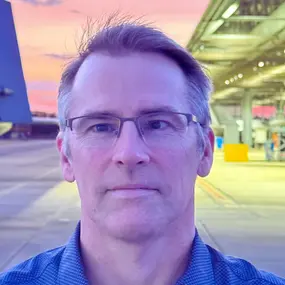
Public Health Engagement Facilitator
Michael is a clinical health educator and program manager at Polio Australia, where since 2019 he has led national professional education programming on late effects of polio (LEoP) and post-polio syndrome (PPS). His work focuses on translating emerging research and others’ lived experience into accessible, evidence-informed learning for those experiencing post-polio and for multidisciplinary health professionals.
Michael has delivered over 165 post-polio workshops nationally, has developed post-polio clinical manuals, forms, fact sheets, hospital resource kits and informational video series, and participates in collaborations that strengthen the recognition and management of post-polio conditions. He has presented on post-polio at international and national conferences, consulted with all levels of government and numerous international organisations, contributed to peer-reviewed publications and media articles, and co-led research initiatives exploring exercise and hospitalisation trends in the post-polio population.
With a foundation in education and physiotherapy, Michael’s career has spanned classrooms, hospitals, and community health settings in Australia and the United States.
As a founding member of IPPEC he supports the creation of curated globally consistent and funded post-polio education, aims to reduce variability in post-polio care quality, and strives to improve clinical outcomes for those facing post-polio challenges worldwide.
Medical Scientist
Bruce Thorley is the Head of the Australian National Enterovirus Reference Laboratory and Chief Investigator for the National Poliovirus Surveillance Program. The laboratory is accredited by the World Health Organization as a Polio Regional Reference Laboratory to test specimens from Australia and neighbouring countries for poliovirus infection in children with acute flaccid paralysis. The laboratory also monitors Australia’s polio-free status by testing for poliovirus in wastewater at sentinel sites.
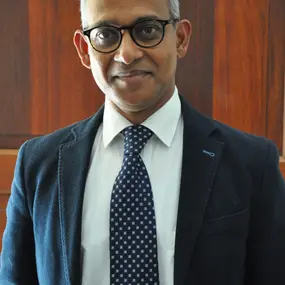
Assoc Professor
Associate Professor Anupam Datta Gupta, MBBS, MD, Clin Dip Pall Medicine (RACP), Grad Dip Musc Med, FAFRM (RACP), PhD, is a specialist in Rehabilitation Medicine and a Fellow of the Australasian Faculty of Rehabilitation Medicine. He currently serves as Head of the General Rehabilitation Unit at the Central Adelaide Local Health Network (CALHN), South Australia. His research focuses on functional restoration in individuals with neurological disorders, with particular interests in gait and spasticity management, cancer rehabilitation, and strategies to reduce cognitive biases in diagnostic decision-making within Rehabilitation Medicine. He was awarded the International Society of Physical and Rehabilitation Medicine (ISPRM) Scholarship and has completed the Clinical Research Scholar Certificate as part of the Principles and Practice of Clinical Research program at Harvard Medical School. His doctoral thesis (PhD) was on the use of botulinum toxin to improve functional outcomes in post-stroke spasticity and foot dystonia in patients with Parkinson’s disease.