What If The Workplace Is The Diagnosis: Occupational Medicine


 Apple Podcasts
 Spotify
 Occupational and environmental medicine sits in a strange blind spot in medical training, even though work-related presentations turn up almost daily in general practice, emergency departments and on the wards. In this episode of Aussie Med Ed, host and Orthopaedic surgeon Dr Gavin Nimon sits down with Dr Mary Obele, specialist occupational and environmental physician with expertise in work capacity, causation and medicolegal reporting, and Dr Berni Cameron, occupational health nurse practitioner and academic at Edith Cowan University with over 25 years' experience across mining, industry and work health and safety education.
Together they unpack what occupational medicine actually involves, how the occupational health nurse, GP and occupational physician each fit into the return-to-work pathway, and how to approach that first consultation: take a good history, examine carefully, focus on function rather than incapacity, and complete the certificate of capacity with clarity. Along the way they cover environmental exposures such as silica, why early communication with the workplace matters, the evidence behind keeping workers meaningfully engaged during recovery, psychosocial hazards as the new frontier of workplace health, and practical tips for young GPs walking onto a worksite for the first time.
Whether you're a medical student, junior doctor or GP, this episode offers a pragmatic framework for managing work-related presentations — starting with one simple question: "Tell me about your work.
🎙️ Proudly Supported By Our Sponsors
Aussie Med Ed is independent and free — made possible by these amazing Australian organisations.
- Heidi Health — AI medical scribe built for Australian clinicians. Finish clinic on time and keep your focus on your patients. Visit Heidi Health
- HealthShare — Australia's health information and referral platform, connecting GPs, specialists and patients. Visit HealthShare
- Avant Medical Defence Organisation — Protecting over 80,000 Australian healthcare professionals. Visit Avant
- eMedici -an Australian-made medical education platform for med students, junior doctors, and IMGs. Visit eMedici.com/MEDED
- Better Medical- GP clinics across QLD, SA, VIC and TAS – offering you the freedom to practise your way, backed by a strong support network. Visit BetterMedical
Thanking the organisations that make Aussie Med Ed possible. Visit our full Sponsors page
00:00 - A Carpenter’s Back Injury Scenario
01:36 - Welcome, Disclaimers, And Guests
03:19 - What Occupational Medicine Actually Is
07:02 - What Occupational Health Nurses Do
09:14 - Grey Zones, Capacity, And Collaboration
14:22 - Handling Acute Injuries On Site
18:43 - Why Staying At Work Matters
20:41 - The GP Approach To Back Pain
26:29 - Taking A Proper Occupational History
32:29 - The Ideal Return To Work Pathway
37:46 - Work Capacity Versus Impairment
40:50 - Psychosocial Flags And Fear
45:41 - Treating Doctor Versus IME
47:16 - When Recovery Stalls
52:51 - Preventing Injuries With Systems And Culture
56:38 - Training Gaps And The Future Workforce
59:51 - Key Takeaways And Closing
A Carpenter’s Back Injury Scenario
SPEAKER_00
So it's Monday morning. The patient in front of you is a 38-year-old carpenter, struggling with back pain following an injury the Friday before after lifting a beam. There's no claim open yet. He's right about letting his work down, but has been struggling all weekend. Where do you start? Well for someone whose work is physical, getting back to it safely after an injury is one of the most important things a doctor can help them do. And yet occupational and environmental medicine sits in a strange blind spot in our training. Even though we see work-related presentations almost every day in general practice, in emergency, and on the wards, the forms, the claims, the conversation with the workplace, the line between a strong advocate and an objective clinician, none of it quite makes it into our textbook in a way that sticks. G'day and welcome to Aussie MedEd, the Aussie Style Medical Podcast, our pragmatic and relaxed medical podcast designed for medical students and general practitioners, where we explore relevant and practical medical topics with expert specialists. Hosted by myself, Gavin Nyman, an orthopedic surgeon, this podcast provides insightful discussions to enhance your clinical knowledge without unnecessary jargon. I'd like to start the podcast by acknowledging the Khan of people as the traditional custodians of the land on which this podcast is produced. I'd like
Welcome, Disclaimers, And Guests
SPEAKER_00
to pay my respects to the elders both past, present, and emerging, and recognizing their ongoing connection to land, waters, and culture. I'd like to remind you that all the information presented today is just one opinion, and there are numerous ways of treating all medical conditions. It's just general advice and may vary depending upon the region in which you are practicing or being treated. The information may not be appropriate for your situation or health condition, and you should always seek the advice from your health professionals in the area in which you live. Joining me today are two guests who see this world from complementary sides. Dr. Mary Oberlay is a specialist occupational and environmental physician with a combined background in general practice and specialist in occupational and environmental medicine, working across clinical care, workplace health, and the workers' compensatory system, with expertise in work capacity impairment, biopsychosocial recovery, causation and medical-legal reporting. Dr. Bernie Cameron is an academic and occupational health nurse practitioner at Edith Cowan University with a PhD on the future of work health safety education and a clinical nursing background, bringing more than 25 years across work health and safety as a consultant, occupational health nurse, and educator, including emergency response and trauma management training for mining and industry teams. Mary and Bernie, thank you very much for coming on Aussie Med.
SPEAKER_02
Thanks, Gavin. Thanks for having us.
unknown
Great.
SPEAKER_00
Well I thought we'd start off with this. What is actually occupational and environmental medicine? For a medical student or intern who's only heard the term in passing, what actually is it? And what kinds of patients and conditions do you cover?
SPEAKER_01
Gavin, occupational medicine is the specialty of understanding the relationship between health and work. So most clinicians are trained to ask, what diagnosis does this person have? And
What Occupational Medicine Actually Is
SPEAKER_01
we also ask that, but we add things like, what work does this person actually do? What exposures have they had? The physical demands, psychological, cognitive demands, how's their health affecting their work? And how might their work affect their health? So we see people with work-related injuries, occupational diseases, fitness for work, return to work, especially the challenging ones, exposure issues, environmental issues, and some occupational physicians also do complex medico-legal questions as well. So one of the things that attracted me to this specialty is that work occupies such a huge part of all our lives every day, but medicine sometimes seems to overlook its importance. And work influences everything, doesn't it? Our identity, our income, our social connection, our purpose, our mental well-being, our family. And so a good occupational physician and an occupational health practitioner actually kind of translates between all these worlds, between the worker and the employer, and the regulator and the insurer and all those other complex issues. So we spend, I think, a lot of time dealing with the complexity and uncertainty. And that's what makes it so fascinating.
SPEAKER_00
Excellent. And what sort of common things you might see in environmental scenarios that might both be work-related or unrelated to work?
SPEAKER_01
Well, the big one nowadays, Gavin, is silica, and a person who may have been exposed to silica through their work may have absolutely no symptoms whatsoever, or they may have a persistent cough or shortness of breath or reduced exercise tolerance. And the symptoms themselves might not be particularly dramatic, but it's asking about that occupation and exposure history that makes it really interesting. So if that person's worked in mining or uh tunneling, construction, engineered stone, then that changes, doesn't it, Bernie? The differential diagnosis immediately. And so the simple question is tell me about your work. And so and you'd agree with me that sometimes the problem isn't inside the patient, it's outside, it's in the air that they breathe or the things that they're exposed to in their context. And so we become like detectives of the workplace.
SPEAKER_02
And I think it's really important just to add in there too, is that when we're looking at environmental exposures, we need to look at the environmental exposures within the home environment too, which become synergistic effects with workplace exposures, especially in regards to the synergistic effects of smoking, for instance, with silicosis or carbon monoxide exposures, smoking and underlying factors that we have there. And I think that's where it's important that both fields, both with the occupational health nurses, advise the occupational physician or the GP when these workers have got a exposure, that we also include those outlying factors as well.
SPEAKER_00
Well, perhaps you can go on, Bernie, and tell us a bit more about what occupational nursing involves and your specialty area.
SPEAKER_02
How long have we got? Firstly, well, a day in my job is so varied. It can start off with drug and all goal testing first thing in the morning, and it can be random drug tests or required drug tests for those who've been exposed before to other substances. And then we look at the environmental side of things where we look at
What Occupational Health Nurses Do
SPEAKER_02
exposure limits from our occupational hygienists, and we look at the hygiene reports that come in. And then, of course, we go to the morning meetings with the supervisors and find out what injuries they've had overnight, and then we follow up on the injuries. We then also follow up on those who need to see GPs or occupational physicians for ongoing workers' complains. We then have perhaps a clinic if we can squeeze someone in if they haven't seen us beforehand on our way into the gate to thrive on. And then, of course, we're automatic officers, surface ventilation officers, so we do sampling as well as audimetric tests, we do pre-employment medicals. We engage ourselves with external allied health workers, so that could involve physiotherapists. Some sites have physiotherapists coming to site. So we get all the reports from all the allied health, the supervisors, the workers, the insurers, the workers' comp people, the occupational physicians, compile it all, and then when there's an ongoing issue or something, and perhaps if Mary and I are involved, I'll let Mary know this is the consequences we have here, the situation. And of course, our role really is an advocate for the worker. We really put the worker first because it's a no-blame thing. It's the workers' input. No one goes to work to get hurt or exposed. You know, it's a system process, but we are really the workers' advocates. And I always say to my guys, I treat you like I would treat if my husband was working here, which many times he has. So that's this sort of situation I do.
SPEAKER_00
But it's very varied, very intense, well, you're the conductor or the conduit between the worker, the workplace, and the medical team behind that coordinating it. How does occupational medicine in itself differ the normal clinical practice, Mary?
SPEAKER_01
Well, I think traditional clinical medicine is about diagnosis and treatment, isn't it? Whereas occupational medicine does those things, but I think we go further and more broadly. So what Bernie was saying about the job demands, about workplace hazards, fitness for work, uh causation, work capacity, function. So I often visit workplaces.
Grey Zones, Capacity, And Collaboration
SPEAKER_01
I often look at job task analyses and uh people have done workplace assessments. Uh sometimes I attend case conferences, I work alongside people like Bernie, employers, treating doctors, allied health professionals, insurers. Sometimes I write reports and provide opinions, especially if there's some kind of disagreement or some uncertainty. And I think a really big difference is that occupational physicians work a lot in the grey zones. So people want to know: is this person fit or unfit? Is this work-related or is this not work-related? But we know that real life isn't that neat and tidy, and much of occupational medicine or occupational health is about making defensible decisions under that uncertainty.
SPEAKER_02
And if I could add in there too, I think as a starting GP or a GP in a town that's a new project or a new in industry, going, go and visit them. We love having GPs to our mine sites and business areas, insurance people, anyone involved with anything to do with worker care who can help in the long run, but uh especially the GPs, it's it's great having them out and they love it. They absolutely love a day out. Because we've we spoiled them. Mining's very easy to spoil GPs.
SPEAKER_01
It's not just about having like the supervisor and the worker. It's a whole pile of things in the workplace, isn't it? It's the equipment and the machines, it's the processes, it's the rosters, it's how they're trained, it's what the leadership is like, what's the culture like, what's communication like. And sometimes that injury is the tip of a whole big iceberg, isn't it?
unknown
Yeah.
SPEAKER_00
It sounds like you both work in a similar sort of a capacity. How do the two jobs cross over?
SPEAKER_02
Yeah, I was going to say I think we start first because the injured work is is at the workplace. So it is really critical that we have engaged contact with anyone, a GP, and usually it is a GP, and especially in rural areas where it's a small business. I mean, when we're talking about internal occupations and things like that, but the bigger blue chip companies now, you know, 90% of our workplaces, well, 95% of workplaces small SMEs, small to medium enterprises, and both uh Mary and myself are very passionate about providing help for small to medium enterprises. So realistically, we start the ball rolling if it's a workplace injury in the workplace. Even if it's not a workplace injury in the workplace and they've injured self at home, we will seek to make sure that they get some help. So it's liaising and communicating and it's getting a good background knowledge of what's actually happened. And this can be difficult sometimes if the worker is really scared that they're gonna get in trouble or they're gonna lose their job. So it's being that advocate for them to say to them, look, I will help you as much as I can on the way, and then letting the physician know, or the GP know that look, this guy's really scared that he's gonna lose his job over this. You know, we've got to treat this with a little bit of kidgovs, but to also make sure that we don't treat the injury sort of frivolously. And that goes to Mary. And that's handboard over to Mary or the GP.
SPEAKER_01
And then the doctor brings maybe some of the diagnosis in, maybe some of the functional assessment, fitness for work decision making, and also reviewing the complex cases. And I think always the best outcomes are when everyone collaborates and it's a coordinated team effort, and the occupational health nurse is the glue that holds it together. Or let's say if I was the architect, then Bernie would be the project manager, making sure that everything is constructed properly, and as we all know, it's the project manager that understands where the problems are.
unknown
Right.
SPEAKER_00
What if you start with a simple scenario where say on a mining site one of the workers manages to put a drill through their finger and lacerates their index finger? It's probably not that rare a scenario. They present to the uh nurse on the site, which would be someone like yourself, I presume, Bernie. How would you handle it and then how would it proceed from there? So hospital?
SPEAKER_02
Oh yeah. Well, most of the time we treat them on site, even lacerations we treat on site with suture. Um
Handling Acute Injuries On Site
SPEAKER_02
remote nurses or nurse practitioners, so we do a lot. Uh we take drill bits out there, it's quite common, especially with the nail guns and things like that. So there's a lot of injuries that we do treat immediately on site. Uh most injuries are then forwarded on to a GP if they become difficult. So we manage them on site as much as we can, uh, depending on the injury itself. So it's a simple case of uh an incision and a laceration of a suture, and we come back and we treat it as a workers' complain, and it goes from there. When it becomes a little bit more and it becomes infected, or it needs draining, or it needs surgical intervention, then of course we contact either our site doctor or the individual's GP and they do have a choice. Most people go, oh, whoever, but they do have a choice. They can go back to their own GP and that'll make sure that it goes through. And then it moves on to Mary itself. That before they go to the GP, a lot of good things that happen where I've been and instigated is working with physiotherapists to work out functional capacity evaluations so that when they go to a GP, we can print off a form that has all their job details on it. So what they do, whether they bend, twist, pull, push, whatever, goes to the GP. So he has this little form in front of him. And it will have everything on there for you. What they do, how they how many hours they work, what environment they work in, whether they need to push, pull, twist, turn, lift heavy things, how many hours a day they work, whether it's continuous work, whether it's repetitive work, all those things. When it then becomes a little bit more complicated, then of course it gets the occupational physicians involved. Then Mary would see a lot of these cases as well. Or I would just direct it straight to Mary to an opposition, depending on where you are and who you're with.
SPEAKER_00
Right. So in this scenario that we put forward, they are referred along to yourself as Mary because of logistics, Benny's about to go off and leave or something. So how would you take it from there, then, Mary?
SPEAKER_01
Well, even a GP for a case like this, it's really important not to get bamboozled by all the compensation paperwork. First of all, just do good medicine. So take a really good history, work out what the mechanism of injury was, what the person's symptoms are, what the functional impact is and what their job demands are, as Bernie was saying, then examine them carefully and rule out all any serious pathology like abscesses or infections or whatever it is. And then once you've established your diagnosis, then you focus on the function. So what can this person still do and what should they avoid doing temporarily? And then fill out the certificate really accurately and focus on capacity rather than incapacity. So it's the person should leave your office knowing what you think the diagnosis is and what is the plan and what are their restrictions and when are you going to review them? And I think that clarity will help reduce a lot of that anxiety that Bernie was talking about.
SPEAKER_02
And I think also to add to that too, is to really remember they have a lifestyle outside of work. So this guy might be a pig shooter, but we have a lot of pig shooters and we have a lot of fishermen being on the coast. So, you know, they might be fishing. And it was a cut on the hand. And even a paper cut. Now we used to laugh when we got into health nursing that, you know, I'm just a paper cut. But believe me, I have seen some serious infections with paper cuts in chemical industries. So even with paper cuts, you've got to remember these people have a lifestyle outside in the context of where they're working. Yeah. So include their lifestyle as well.
SPEAKER_00
Yeah, we're going to come back to it later on, but why is it so important to keep the patient working out functional capacity rather than the idea of they've got an injury, they go home until they're fully better. Why is it important to sort of keep them in the workplace? Is it for mental well-being or what how does it progress from there?
SPEAKER_02
There's two answers to that, and I'll I'll jump in before Mary. I have a lot of guys that go, please, I don't want to be at home with the wife. Can I just come back? I'll
Why Staying At Work Matters
SPEAKER_02
do anything, just bring me back to work. So a lot of guys will want to come back to work. As I said, nobody goes to work to get injured, and they don't want to be injured, and especially for long-term injuries. Yes, it is a mental capacity there, but it's also the camaraderie with their mates. They spend, you know, eight, twelve hours with these guys every single day. The only thing they don't do is sleep with these guys. You know, they're really close and they miss their mates when they're not at work. So, yeah, it's a long-term. And Erin, you'll agree with that, won't you?
SPEAKER_01
Oh, absolutely. Every piece of occupational health research says that engagement with work is really important. Otherwise, you get disconnection, you get deconditioning, uh, you get loss of confidence, you get anxious about going back to work.
SPEAKER_02
Boredom.
SPEAKER_01
All of those things. So the longer you're away from work, the worse it is for you. And the better if you can retain some kind of connection, whatever's medically appropriate.
SPEAKER_02
Yeah. And of course, on that too, when we say return to work, it it's not meaningful, you know, meaningless tasks. Yeah. And quite often we will put the worker into the supervisor's position in the office, so he can see all the paperwork that has to be done. And nine times out of ten, those guys will work out going, I don't want to be a supervisor.
SPEAKER_01
And it gives them the appreciation for what their team leaders and managers do and how complex it is and all the rest of it. So it can be a plus as well. So Yeah.
SPEAKER_00
Moving back to the original scenario I painted on the introduction, the lad who's uh injured his back while lifting a beam or something as a carpenter. He comes into the GP on the Monday morning. For some reason, he hasn't gone to see the occupational nurse, and he's presented to a Jeep who's just come out of general practitioner training and has got the basics of workplace injury, but it says his first day on the job. How should the GP approach this? And what's the sort of scenario for most places? I know it varies between which state you're in, even which country you're in,
The GP Approach To Back Pain
SPEAKER_00
it will vary too. But looking at this Australian scenario, how would the GP approach this situation?
SPEAKER_01
Just exactly what I said before. Do the good medicine first, take a really good history, examine them properly, think about their function, think about what they can do, and uh and make sure that you're telling them as well what the diagnosis is, what the plan is, when you're going to review them and what their restrictions are for work.
SPEAKER_00
And what if the patient says, Do you need to speak to my workplace? What does the GP then do? Pick up the phone and ring Bernie and have a chat to her?
SPEAKER_02
Why not? They can well they can do. And I I would encourage that great. Look, I couldn't stress that is so important to do because we will say, Yeah, look, we'll gladly have this guy back. And we will put him in whatever work capacity he can be in. But yeah, ring us because the longer they leave it, uh it becomes so complicated with the workers' comp system because it's a backward injury. So it's it's backdated basically, it's bit to a certain date, especially it's on a Friday, you've got a long weekend, they come to work on the Tuesday afternoon, maybe not go even to work Tuesday, go to work Wednesday. So we're looking at that period of time which the insurers will say, Well, why didn't he report it? Well, you know, it's it's always and then they start to worry. And then, of course, you've got the supervisors team because it's you know the rosters, so they'll reach out out to us and uh you know inquire when this guy's coming back, and then if there's any issues, I will contact the GP. And that's when we become a go-between. But if it's a person who hasn't got a nurse on site, like a lot of small businesses don't, so they'll be going back to the GP. We don't have any say because we're not there, obviously, and it's a small company. So this person really has to have a good sort of rapport with the supervisor or the GP or ask the GP to go to his workplace.
SPEAKER_01
Which is often hard for GPs to do, but I think the one thing that the occupational health nurse does really well in that scenario is translating those clinical recommendations into actionable practical things that you can do in this particular work. Because the nurse understands the work. So you can like the GP's written no lifting over ten kilos, no lifting over here. Whatever, then you can say, Oh, this person can do that and that in the workplace. And so I think what we're talking about is that ideal return to work pathway should start immediately, the minute they walk through the door, not six weeks later, not after the MRI scan, not after everyone's agreed on every detail. It's early assessment, early communication, appropriate evidence-based treatment, obviously, but also the suitable duties which the nurse can definitely help you with, regularly reviewing them and having shared goals, because you know, then you've got everybody kind of collaborating and moving in the same direction, that's going to have a really good result. And you're focusing on your function, your participation, your engagement, and you're gradually progressing all the way along. And you're also understanding that the recovery is never linear. It's like when I drive and I've taken three wrong turns and my GPS has to re-recalibrate. That's kind of what I see the recovery pathway is. It's never linear, it's always up and down. You're gonna have some times where you think I've stalled, everything's bad, I'm not going forward, or I've slipped, whatever. So one of the things that I say to my patients, it's it's not taking an elevator, it's climbing the hill. So you're gonna have some slips, you're gonna have some flat bits, and it's okay, that's quite normal, and it's that's what we expect.
SPEAKER_00
I think every injury has two steps forward, one step back. I presume what you're saying then is the standard injury would be a scenario where the first of all, at least report the scenario, document it, exclude any significant things that need more urgent treatment, and then liaise between the workplace, the supervisors, the occupational nurse if they've got one there, as a team approach to the common goal of improving a patient's recovery. Is that the case?
SPEAKER_02
Everything works with communication. The whole scenario, regardless of what it is or how big it is, or how small it is, it's communicating, communicating between all the teams. And I think it's really important that a lot of workplaces can be quite scary for young GPs to go into. And I'm talking also about young occupational physicians, which we do have a lot come in. Well, newly trained. Newly trained, yeah. And for them to see a scenario in the workplace that's actually happening, it's real life, it's them, they're they're it, it can be quite frightening. And for a GP to be faced with a particular hazard or injury or chemical that they know nothing about or have never been focused on, it does help if they have a little bit of background behind. So I always try and give them as much information about the workplace as I can. But again, that's you know, not all weight places have a nurse.
SPEAKER_00
What's a good occupational history? What does it look like?
SPEAKER_02
Okay, from a nursing perspective, uh, let's say it's a hydrofluoric acid injury, and the doctor's never seen a hydrofluoric acid injury. I would give them the material safety data sheet to take with them into the surgical, have that available for them, give them as much information about treatment for it that we know is to our limit of expertise, and advise them to the extent of where it's happened or when it's happened.
Taking A Proper Occupational History
SPEAKER_02
So, really, our history is one, obviously, treat the patient first on site when we're going and then getting as much information from the patient themselves or the worker as to if they've had an injury like this before, have they been exposed before, uh, all of the basic um you know DRABC stuff to start with. And then making sure that their contact details and their family details are current and available because there's nothing worse than putting them into the ED department and you go off back to the mine site and there's no details there for them to contact, and this guy is really petrified, you know, because something's happened to him. So that's from a nursing point of view.
SPEAKER_01
And from a doctor point of view, just kind of thinking about asking a few occupational questions can often be really quite revealing and change your thinking. So what do you do for work? What do you do at work all day? When did your symptoms actually begin? Did they begin because of some kind of change in your duties? Do your symptoms actually get better away from work? What kind of exposures, what things are you exposed to at work? Do your co-workers all have the same symptoms? Because things like that can actually reveal some patterns that were otherwise invisible. So I think just asking how your work affects your health, how your health can possibly affect your work, and what your work actually involves, if those three questions that can be far more revealing than a scan.
SPEAKER_02
And of course their personal life as well, and their personal history of what's gone on beforehand.
SPEAKER_01
I think a lot of clinicians ask about the smoking history, but they don't ask about the occupational history. And yet for some for many things, occupational history is probably far more relevant. And if you could just make your occupational history as routine as, say, asking about medications, it's amazing how often the diagnosis can become clearer if you understand what that person does all day.
SPEAKER_02
Yes, yeah, absolutely. Especially if they're in a high-risk environment. And we're talking about uh heat exposures, cold exposures, a long time you know, for vibration, etc. So there's so much that will involve those little things that you ask.
SPEAKER_00
How do you differentiate a chronic exposure scenario like the vibrational injury and a vibrational neuropathy to something that could be unrelated to it, like simple carpal tunnel syndrome? What's the approach to trying to at least try and ascertain underlying causations? It's important for both treatment and also for causation in an occupational scenario.
SPEAKER_01
A really good history. So when I do my histories, which are often like an hour long, I start with Were you born and educated in Australia? And what all your jobs were all through, and what kind of exposures you had. And for your more recent jobs, what exactly do you do in those jobs? And if you've got a particular diagnosis in mind, then you're asking questions relevant to that, and it might be chemical exposures or physical demands, but it can also be psychological or cognitive demands as well, depending on what the problem is. It's very much context related. And it's just like really just I think for me the rule is just ask one more question about their work.
SPEAKER_02
I think also, too, going back to the scenario of whether it be rainards or a carpal tumble or vibration. My biggest question is to them, what sort of vibration gloves are you wearing? What sort of PPE, personal protective equipment, have you been wearing during workplace? What does your workplace supply? How long have you worn it for? Are you comfortable wearing your PPE? That's a big thing too, because sometimes it might be too small.
SPEAKER_01
I guess when people refer to me, it's when it gets complex and difficult. So it's the recovery's not going really well and we don't know why. Or causation, as you said, Gavin, is unclear, or it's really difficult to figure out what this person's work capacity is. There's some really complex workplace issues going on, or maybe you need a workplace assessment. And so occupational health untangles things when things become stuck. And sometimes it's actually not a medical challenge at all. It's communication or workplace design or conflicting expectations, or all three before lunch.
SPEAKER_00
What does the ideal return work pathway look like then in that scenario?
SPEAKER_01
Just early assessment, early communication, evidence-based treatment, um, regular reviews, and being really clear about what the goals are and everybody having the shared goals.
SPEAKER_02
Exactly. And when you send communication back to the employer or to the OC Health Nurse, include all those allied health workers into it. Include the OP physician, the supervisor, the thing, whoever's got access to it. I mean, I if
The Ideal Return To Work Pathway
SPEAKER_02
we have one communication basis where everyone's my first thing is who can we report to? Who are you happy for your report to go to? Are you happy for the supervisor to get to your report to the patient? If he's happy with that, it makes life easier because then the supervisor knows exactly what's going on from the opposition. Unless it's, you know, it's obviously a detailed, complicated report. But if it's something like, you know, this guy can return to lifting 10 kilos this week, well, let that go to the supervisor. And uh then we're all talking on the same sheet from the same report because if you've got multiple reports, of course, then it becomes difficult. So good communication.
SPEAKER_00
Okay, what happens with my carpenter though? He's done his back in on the Friday, he's been struggling all weekend, he's reported it straight away, but he's expecting to get back to work to his mates the next couple of weeks.
SPEAKER_01
That's an expectation question, isn't it? A lot of people think I'm going to be a hundred percent right in a fortnight, and it's actually not true most of the time. So we all know evidence-based musculoskeletal injuries take weeks, maybe months, but not days. And so it's actually helping him to understand that, and helping him to understand that he doesn't have to be a hundred percent fit to go back to work. And also he's worried about his pain, but I'm often telling people pain is not the same as harm. So you might have pain, but you're not actually hurting yourself, you're not making yourself worse, because there's all those studies about pain not correlating with tissue damage. So it's really important for that person to focus on the functions. So instead of like being worried about how much pain I've got and where is my pain, it's well, what can I do? So gentle activity, exercise, uh keeping connected with work, and just realizing that you're going to have a gradual recovery and that you can go back to work and do some things at some point.
SPEAKER_02
And I think it's really hard to with GPs, they've got a limited amount of time to look at a report, discuss that with the worker and all that. So it's being able to communicate to the worker at a level that he's going to understand what the report actually says without going into too much detail that scares them, but at the same time allows them to say, okay, well, it's going to take a bit of time, you know, just without being patronizing and saying, you know, you can't do that in two weeks. A lot of guys, that you know, especially the mining guys will say, No, I'll be right, to be right, love, I'll go back to work next week. Okay, so let's sit down. Let's have a look at the anatomy, what you've done wrong. So, yeah, it is. It's it's I think it's a way that you approach the return to work.
SPEAKER_00
The longer I've seen these sort of injuries, the more I wonder whether the actual pathology is caused a muscle spasm that causes the pain often in the back or in other areas of the body. And even though the pathology might still be there, if we can release the muscle spasm, or be it with physio or more chiropractic treatment, whatever it takes for the person, even if the pathology is still there, if the pain's not there, it's not such an issue.
SPEAKER_01
Yeah, it's I think giving them some realistic optimism. So it's that that you're gonna improve, but it's gonna take some time, and you're not gonna probably be a hundred percent within a fortnight, because recovery just doesn't work like that, and it's often, as I said, uneven. So you're gonna have good days, you're gonna have bad days, and you're gonna have some time when your progress just looks as though it's not going anywhere, and that's totally normal, you know, take climbing the hill, not taking the lift, and you don't want that unrealistic reassurance, but you also don't want the catastrophic predictions either. So you focus on I I think what I tell them is what is a typical recovery, what does that look like? What the next milestone is, and what can the worker do for themselves to assist their recovery as well.
SPEAKER_02
Absolutely. So health ownership we're talking about here.
SPEAKER_01
Because if they understand that their symptoms are taken seriously, that I do expect them to recover, but it's not going to be a linear process, then that's Yeah, it's not all up to the doctor.
SPEAKER_02
I think going back to looking at a health ownership model where the individual takes ownership of their own health, but we help them along the way with that. In the ideal workplace where I work or have worked, we have physiotherapists that come in twice a week. They do a two, three-hour session with individual workers that they come through, they book appointments, and they get their mass artisans or dry needling or whatever they're having done. And the absenteeism has been reduced so much with back injuries for this particular reason. So it's worth looking at physiotherapy as a part of return to work anyway for these back constructions. What about function? Function.
SPEAKER_00
Well, a couple of terms I hear talked about all the time is work capacity and medical impairment. When I think about it, I almost think of it like the half full versus half-empty sort of approach. How would you describe these terms and where do they fit into in the work scenario?
SPEAKER_01
All right. So work capacity, I think, one of the most important concepts of occupational medicine. So these the work capacity certificate is not
Work Capacity Versus Impairment
SPEAKER_01
just a diagnosis document. And when I'm doing work capacity, I'm thinking, what can this person do today? What activity should be restricted, and what activities should be modified? And actually, the diagnosis tells me very little. So two people with the same MRI findings can have completely different functional capacities. So I'm looking at that person in front of me and I'm saying, what can they lift, carry, push, pull, walk, sit, stand, can they drive, what are the cognitive demands? What about fatigue? Those are really important things. So, and then you're kind of matching them with the inherent requirements of the role. So I'm not saying, I'm not, I don't want to ask, are they fit for work? What I just say is what work are they fit for? And I think that little change, so what work are they fit for, that little change is actually really an important distinction. So impairment is when there's a change in the structure or function of a body part. But the disability is the impact of that impairment on that person, on their activities, on their participation. So if you've got uh say a finger injury, that it's the same impairment, but for a concert pianist, that disability is far greater than for somebody else, another worker. So again, we're talking occupational medicine focusing on function. So impairment is talked about a lot in the compensation system and the medico-legal. So that impairment doesn't actually tell you much about work capacity. So you can have someone with a high percentage impairment, but they're actually quite functionally good. And you can have someone with a very low percentage impairment, but they've got lots of barriers to their return to work. So it's the context, again, that really is important. And I think we should put impairment and disability into the medico-legal sphere, but actually focus on function in terms of all of these kind of assessments, work capacity assessments and work capacity certificates.
SPEAKER_02
Yeah, I agree. I think the more that is understood about functional capacity evaluations and the more workplaces that use functional capacity evaluation to determine their workers' ability, the less incidence we'll have. But that's only my personal opinion.
SPEAKER_00
And what about these psychosocial factors then? We see often different scores to assess the level of distress the patient's experiencing. I think they're talking about different flags. How are they used? And is that something that's important in assessing a work injury?
SPEAKER_01
These are really interesting. I think that the psychosocial factors can have a really huge effect on recovery. And it's not about blaming the worker. It's about understanding the broad context
Psychosocial Flags And Fear
SPEAKER_01
of that injury or illness. And they talk about the yellow flags, which are the psychological responses. So things like when people are afraid of moving because they're worried that they're going to have pain or they're catastrophizing, or they're just anxious about their recovery. And then you've got the blue flags, which are their perceptions of work. So do they like their work? Do they feel supported? Are they worried about return to work? And then the black flags are the sort of the greater system, like the organization itself or world economy or workplace policies or politics or whatever it is. But I think we should just put all of those to one side and just be curious. And just if the recovery isn't progressing as expected, then just ask why. And I would say that the answer is often not in the MRI report. And I think one of the biggest factors for a problem with recovery is fear, or it could be workplace conflict, or it could be uncertainty, or a combination. And if we recognise that, then we can intervene early. So I think that a thoughtful conversation is often far more important than another scan.
SPEAKER_02
Absolutely. And I think that the evidence shows that preventing workplace psychological injuries is so much more complex and harder to manage than any physical injury that someone would have. And for us as Web Health Nurses, we utilize as many of the external resources that we can, the EAPs, the external assistance providers. But overall, what works best is really combining all organisational abilities that we can rely on rather than relying on the individual alone to take control of it. We've got to, you know, got to help as much as we can. It's a hidden injury. We don't see psychological a broken arm you see, you can treat it, everyone feels sorry for you. You have a psychological issue, nobody sees it. It's a dick much more difficult to treat.
SPEAKER_00
What about the difficult scenario where the condition is a complex mixture between both a work-related injury but also just other factors like the person's physical deconditioning, etc. And you're trying to step carefully between evidence base and patient's perspective of what's caused the injury, and also try and recover the patient as well to the best of ability. How do you address that, Mary?
SPEAKER_01
Oh, I think that's one of the most important clinical skills that a doctor can have, really, isn't it? It's about advocacy, as Bernie was saying, but that advocacy isn't just agreeing with everything the patient wants. It's actually supporting that person's health and recovery. And sometimes the conversations might not be something that the patient may particularly enjoy, but the key is being honest. And patients, and I think you'll find this as well in your practice given, generally cope with difficult information if you uh give it to them respectfully and transparently as well. And I explain that my role is to give you the best medical opinion possible on the available evidence. And so that evidence-based opinion will protect everyone. It'll protect the patient and the workplace and the clinician and the system. So you can be compassionate but objective simultaneously.
SPEAKER_00
Well, there's two different roles as a medical doctor, too, the treating doctor or the independent medical examiner. And you do both as well, Mary. How do you step a line between that and explain to the listener what's an independent medical examiner and uh what's the difference in that scenario compared to just a treating doctor?
SPEAKER_01
So d fundamentally really different roles. So treating doctor, diagnosis, treatment, recovery, therapeutic support. The independent medical examiner is there
Treating Doctor Versus IME
SPEAKER_01
to provide an objective opinion about some specific question, like it can be about causation or capacity or impairment or prognosis. And so the independent medical examiner, the IME, has no therapeutic relationship. So I'm not treating that person at that point. And so it's really important to manage the expectations, and I would manage those expectations before we start, so that we explain what role we have at the time. And both roles are very valuable and they all add to the procedures and the process, and they're both very professional roles, but it's very important to actually explain it properly to avoid all that confusion.
SPEAKER_00
Right. And as an occupational nurse, Ben. Do you have any role to play in assessing as an independent medical assessor or is it more purely in the treating role?
SPEAKER_02
Depending on the actual case. Certainly if it's a complex case, then we may do. But I've only had that situation with the larger blue chip companies. It certainly wouldn't be the norm for a nurse to be involved with it.
SPEAKER_00
Right. How do you perceive when patients recovery isn't following the normal pathway? They've been having their ups and downs, but they're just not progressing and they're stagnant. How do you sort of take a step back and double check things? And where do these MRIs that haven't originally picked up a pathology suddenly become vital to the patient and yet less important to the treating doctor?
SPEAKER_01
Well, I think the first thing to do is realize
When Recovery Stalls
SPEAKER_01
that recovery can store for many different reasons. And I'd like to say that the that it's very rarely, almost never, that it's lack of motivation. Most people actually genuinely want their lives back. And so I d don't want to know what caused this. That's not the question that I asked. I say what's getting in the way of their recovery right now. And I think that actually leads to a very productive discussion. And you can have biological factors and psychological factors, workplace factors, social stuff. And it's often not just a single thing, is it? It's because human beings are complicated. And so again, thinking about that recovery as a team effort. So the workplace matters, the treating providers, the treatment plan, the support network, everything matters. And again, if everyone's moving in the same direction, then recovery will go really well. And I think that the goal shouldn't be winning some argument about causation. It should be improving function and quality of life.
SPEAKER_00
Right. And what what's the nurse's role in this scenario and returning to work coordination and trying to improve the recovery when it's stalled, Bernie?
SPEAKER_02
Oh, it's absolutely huge. I mean, we spent a lot of time with our workers. And because we quite often will know them intimately and their family situations, and we're privileged to know a lot of situations that the no one else knows about. And they will divulge a lot of things. So there's a lot of underlying issues that we deal with in the workplace that don't go outside those four walls, but we still have to deal with them. And they become part of their recovery. And I will quite often say to them, look, I really need to talk to the opposition about this issue that you've got, because this is stunting your recovery. This is hindering, you know, like the wife might have left or something like that, or the teenagers have started taking drugs or whatever it is. You know, it's a not a non-worker issue. So it's really important that that gets conveyed back to the opposition. But sometimes they say, No, I don't want anyone else to know. And then we have to just delicately say, Well, look, I'm going to have to say something. Can I just say that there's other issues or there's some home life issues there and they're happy with that use feed? And I think that's where GPs need to understand we don't, as nurses, go to them willy-nilly with anything unless we're really worried about our workers. And again, it comes back down to communication.
SPEAKER_00
Yeah, that's the main thing. And I know certainly in some of the work cover injuries I see that often a case manager comes along or a rehab coordinator, and they seem to be very amical amongst themselves. Is that part of the whole team approach you're talking about, Bernie? Is part of it all?
SPEAKER_02
Absolutely. I will try to go as many meetings as I can. A lot of workplaces will send their supervisors sometimes just to make sure that they have an idea, especially the smaller industries, to understand what's going on with the injury and how long it takes. But yeah, it is a team effort that uh goes on. In an ideal world, everyone would be involved and everyone would communicate. But again, every workplace is different and every workplace will have limitations on what they can do and who they can send.
SPEAKER_00
So as a worker for the first time injury, they may perceive this as something bad with the boss coming along or someone coming along.
SPEAKER_02
They do. Yeah. I mean, anyone who goes into a workplace on a first rotation when they're getting inducted should be told if you have an injury, which we hope you don't have an injury, but this is the process you'll follow. And we just want to let you know that we're here to help you, and etc. etc.
SPEAKER_00
So we're saying a good workplace should really have a process such that when a worker gets injury they know how they're going to proceed, they're going to see the nurse, they might get to see the doctor if required. And if they need to attend for a specialist appointment or other areas or team meeting, that their supervisor might attend as part of a supportive person. And once a communication is put through, then it's easier.
SPEAKER_02
Yes. And it only takes a little flow chart in the crib rooms to say, if you have an injury, contact your supervisor, they'll attend with you and we'll work out the worst comp claim or whatever it is, you know. So it's a gentle flow chart.
SPEAKER_01
And Gavin, you know yourself, you can tell immediately when the person saying, My manager called me to see how it was going. They've already identified some duties that I can do. They're keen to have me back versus the person saying, Oh, no one contacted me. Um, I don't think they want me back. I'm worried that I'm gonna lose my job. I don't think they believe that I'm injured. And then you can see that there's gonna be challenges ahead. And so I think that a good workplace actually understands that workplace isn't just a medical issue, it's a human issue. And that the there's good communication, uh supportive supervision and flexibility and trust and early contact after injury is really important, and also genuine willingness to make those accommodations happen.
SPEAKER_00
Mary and Bernie, we've you've talked about the ideal scenario for managing a workplace injury, but what about preventative medicine? I mean, how can preventing workplace injuries actually work in real life when you've got so many different types of careers and different types of injuries that can occur? Perhaps uh start off with yourself, Mary. What are your thoughts on the importance of trying to prevent workplace injuries?
SPEAKER_01
Uh the strongest evidence is for a systems approach. So it's very rare that a single intervention is going to fix everything.
Preventing Injuries With Systems And Culture
SPEAKER_01
So it's all about effective prevention in all these different areas. So hazard elimination, engineering controls, safe work systems, uh but also leadership, uh worker involvement and continuous monitoring, which is what Bernie's involved with. And it's always about culture. The culture matters, and the organizations with the best of safety cultures have the best outcomes. And it's not because they've got more policies or more words, it's because they're consistently applying it. And prevention isn't an event, it's actually a habit. So I think the safest workplaces are the ones that are curious and are willing to learn.
SPEAKER_02
The ideal scenario would be preventative health officers in the workplace. So getting rid of all the injury management and having that term rehabilitation injury management imposed onto the worker right from day one, being shown what to do if they have an injury. Let's talk, you know, let's start looking at preventative measures. So as a health promotional health preventative officer, I don't know if any workplaces that hold that title, but it'll be lovely to see. And workplaces that get engaged with government scenarios on TV, like Health Week, you know, the Heart Week and things like that. So any company that becomes involved with diabetes week, heart week, you know, you know, the MMD focus on that, it does educate the individuals not only within the workplace, but they see these advertisements at home as well. And they also may have someone else involved. So the preventative measures come about through health promotion and a system in the workplace that works well.
SPEAKER_00
So what you're saying is they're interested in the injuries and in trying to prevent them. So it's actually about caring, is really what you're saying.
SPEAKER_02
Oh, absolutely. Yeah. Yeah.
SPEAKER_01
Yeah. And historically, Gavin, and by historically, I mean even just five years ago, we were so focused on physical hazards. Whereas now we know that there's like psychological safety, there's workload, uh job control, uh organizational change, a huge one, like all the restructures and everything, bullying, fatigue, remote work, hybrid arrangements. No, these are all real workplace hazards that are just as important as the physical ones. So it's not good enough to say, is this workplace physically safe? It's does this workplace support the overall health and well-being of this worker to achieve sustainable and meaningful work?
SPEAKER_00
And that leads to less injuries and also quicker recoveries when they are injured. It's really not just about ergonomic adjustments in the workplace, it's about cultural adjustments, it's about understanding, it's about support, the whole process between the worker, the workplace, the doctors, the nurses, and allied health workers.
SPEAKER_02
It is. I think, yeah, I think, you know, there's a lot of research on ergonomic changes, and the evidence shows that ergonomic changes don't work on their own. It's part of the system. And that's why we look at a biopsychosocial management of an employee. We have to look at that biopsychosocial management process as opposed to just the physical or the psychological or the other parts of it.
SPEAKER_00
Very research is focused on the future of work, health, and safety education. Where do you see the work, health, and safety and occupational health workforce heading? And what do we have to do now to help train the people in this field which we rely upon?
SPEAKER_02
I think it's heading in the positive direction, especially since psychosocial aspects of it have come into play, and we're now looking at, as I said, the biopsychosocial management of employees. And my research has shown that we don't have enough health education in our OCL and safety courses,
Training Gaps And The Future Workforce
SPEAKER_02
and these courses are undertaken by medical practitioners as well. The biggest finding for my research was the lack of training in communication, which was huge. It was every almost all participants. I did a qualitative study, and all participants from my study said that we don't train people how to talk properly. And I thought, well, what do you mean by that? And they said, Well, we've got to talk at all these different levels. We've got to talk to the patient, we've got to talk to the doctor, we've got to talk to the supervisor, we've got to talk to the CEO to manage us. How do we talk to them effectively? And when I looked back on all the education processes, nobody teaches how to communicate. And it's one of our biggest things, and we get taught how to communicate in nursing. We have a lot of nursing dialogue that teaches us how to talk to GARES, etc., and the whole spectrum. And I was really surprised that we, as occupational health providers, and especially OHS people in the week place, when the H is in the title, do not have either health components or communication components. So that's where my research has taken me, and the new units have been developed.
SPEAKER_00
Brilliant.
SPEAKER_01
And then the other thing is undergraduate medical education doesn't have enough on work and health. So not every doctor's going to become an occupational physician, but every doctor is going to come across a work-related issue. So having at least a basic understanding of how work affects health and how health affects work would be really good. And I think we need to do more in that area.
SPEAKER_00
Yeah, it's hard, isn't it? There's so many different areas people have to learn. And that's what that's what encouraged me to do this podcast is so we can expand upon it for those who don't get to see it. So it's great having you on board.
SPEAKER_02
I think from the education point of view, obviously I've given you the uh courses and that for the OSH stuff, but from a GP point of view, uh, we're affiliated with the rural medicine health units down here in the Southwest. And we run a lot of LimaC exercises, which is involving with the emergency services, so the med students and the interns can actually go and be part of those exercises. And I would strongly encourage any GP or anyone just out who hasn't done one of those exercises to become involved. Because if you're going to work in a rural town or you're going to do a locum in a rural town, first thing is for me as an OCHELS nurse, I will go and find out who the GP is in town. And because our rescue guys do a lot of the rescues on the road in the Northwest and on roads. So we involve the GPs with them. So it is imperative that they have some exposure to what it's like.
SPEAKER_00
Brilliant. Well, as a take-home message you'd like to leave to the GPs or medical students or whoever's listening to the podcast. What would you be your main thoughts, Bernie? What was your take-home message?
SPEAKER_02
Mine is I communicate, communicate the whole way through. And I listen to everyone talking back to you and try and assess things, but communication is the key factor in all management of anyone in the working place.
SPEAKER_00
Mary?
SPEAKER_01
Absolutely agree with Bernie.
Key Takeaways And Closing
SPEAKER_01
I would say ask about work. Ask about work every time. And don't treat work as just a field that you have to fill in on the computer. Treat it as a core part of the history and understand what that person does and how their health may affect their work or their work may affect their health. And focus on function, not just the diagnosis, and not just the pathology, and not just the imaging, because our goal is ultimately not just to diagnose the disease but it's also to help people live meaningful and productive lives.
SPEAKER_00
Well, thank you very much for both coming on Aussie MedEn. It's been great having you on this evening and hearing about your different roles. Hopefully, this will help educate the young GPs and future occupational physicians or occupational nurses that are coming through. So thank you very much.
SPEAKER_02
Thank you. Most welcome. Thank you. Thanks, Alex.
SPEAKER_00
Thanks again for listening to the podcast. And please subscribe to the podcast for the next episode. Until then, please stay safe.





Dr
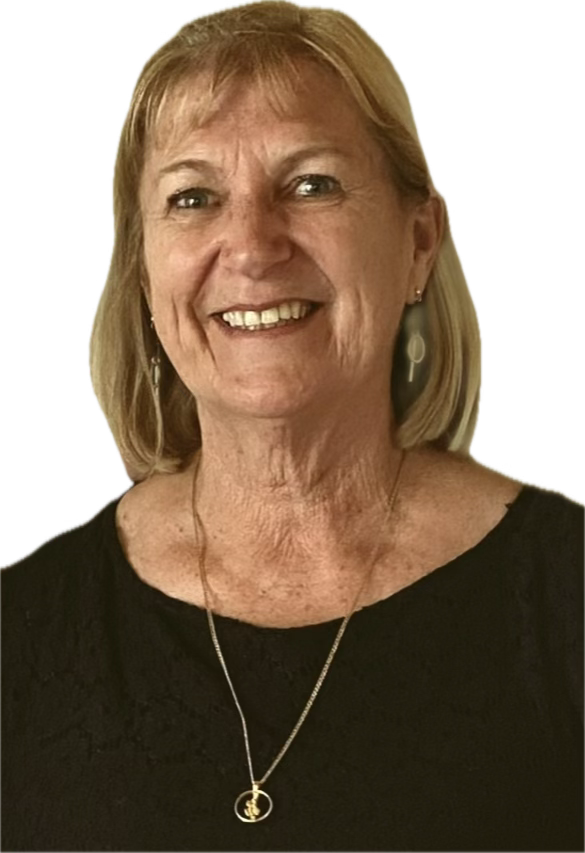
With more than 25 years of experience in work health and safety (WHS), Berni has developed a career grounded in both practice and research. She recently completed a PhD focused on occupational health management and the future needs of WHS education, with findings that informed the development of a new postgraduate unit in this area. A strong advocate for qualitative research, Berni is committed to advancing more practice-informed approaches within the WHS field.
Berni’s career has spanned Australia and Singapore, encompassing roles as a Director of Albercam Ent Pty. Ltd., a WHS consultant, and an occupational health nurse (OHN). Alongside this, Berni has built a respected presence as an educator across universities, TAFE, industry, and mining sectors, bringing applied knowledge into diverse learning environments.
Early clinical experience on a trauma team at Royal Perth Hospital laid a strong foundation for her later work in delivering emergency response training and trauma management to mining and industry personnel. This blend of frontline healthcare experience and WHS practice continues to shape a practical, real-world approach to occupational health and safety.
Berni’s teaching philosophy centres on bridging theory and practice, combining academic insight with extensive workplace experience to promote best-practice approaches in occupational health management.
Berni Cameron holds a Master of Occupational and Environmental Health and Safety, a Postgraduate Diploma in Health Science (OH&S), and a Bachelor of Health Science (Nursing).
Dr
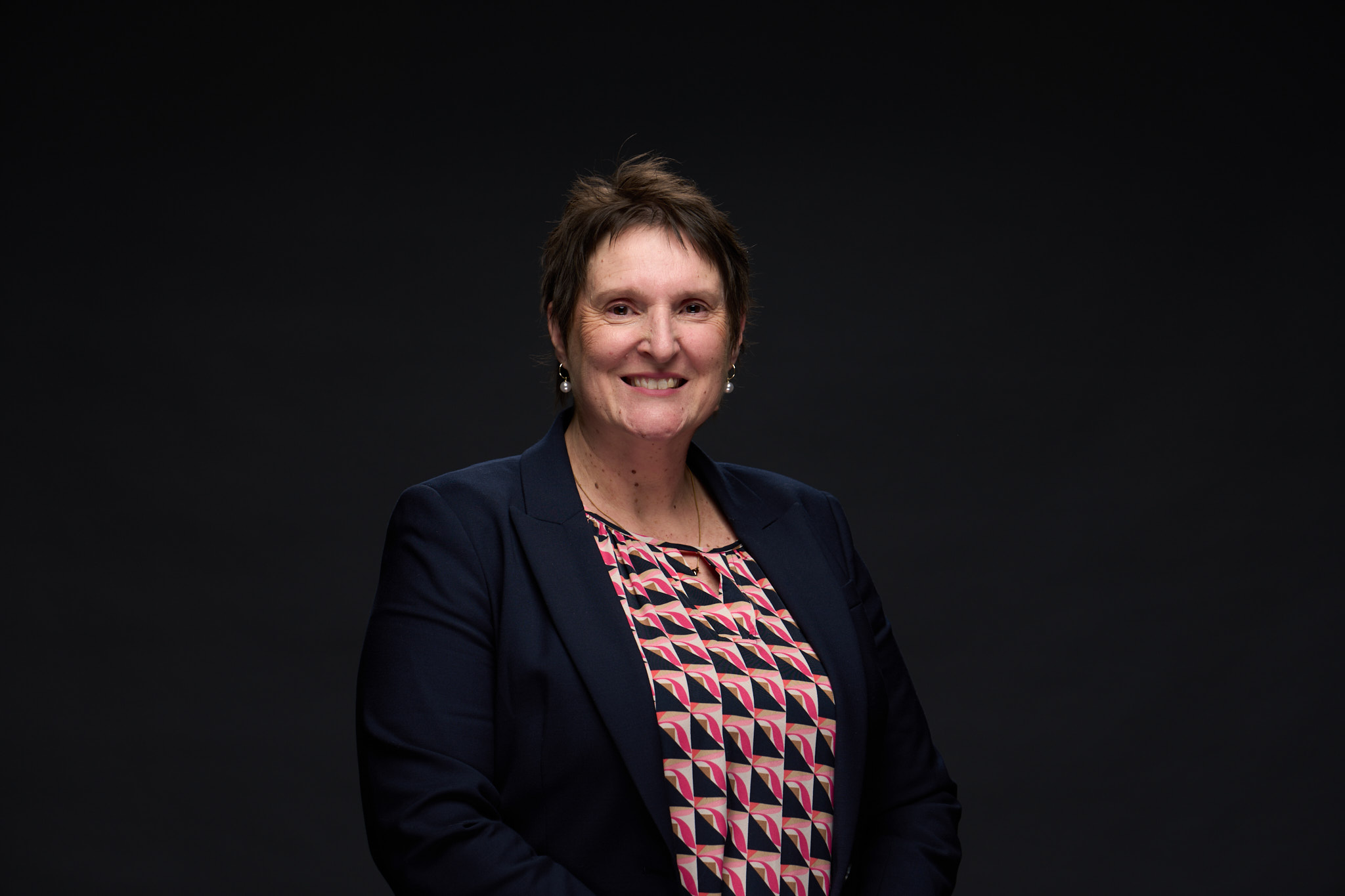
Dr Mary Obele is a Specialist Occupational and Environmental Physician with extensive experience in occupational medicine, workplace injury management and functional recovery. She works across the interface of clinical medicine, workplace health and workers’ compensation systems, supporting injured workers, employers and treating teams to achieve safe, sustainable return-to-work outcomes.
Dr Obele’s clinical interests include occupational injury and illness, work capacity assessment, impairment evaluation, biopsychosocial rehabilitation and the practical application of occupational medicine principles in everyday clinical practice. Dr Obele has experience advising on complex workplace health matters, including causation analysis, functional assessment and medico-legal reporting within Australian compensation frameworks.
Drawing on both frontline clinical experience and systems-based occupational medicine practice, Dr Obele is passionate about helping clinicians better understand the relationship between health, work and recovery, and about improving communication between patients, healthcare providers and workplaces.